AI tool
Product Analytics for Agents and Users
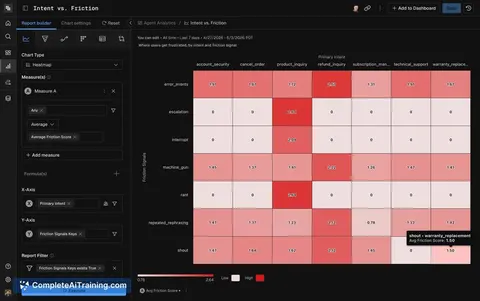
Product Analytics for Agents and Users helps product engineers optimize AI agents by linking agent traces to user behavior. It shows why users re-prompt, drop off, or convert, and feeds those insights into coding agents. Built for product teams us...
About Product Analytics for Agents and Users
Product Analytics for Agents and Users is the name of the product launched by Kubit, a business intelligence and observability tool for AI agents. It connects backend agent traces to front-end user activities, letting product engineers see why users re-prompt, drop off, or convert. The tool integrates with existing OpenTelemetry (OTel) infrastructure, customer data platforms (CDPs), or a Bring Your Own Warehouse (BYOW) setup.
Review
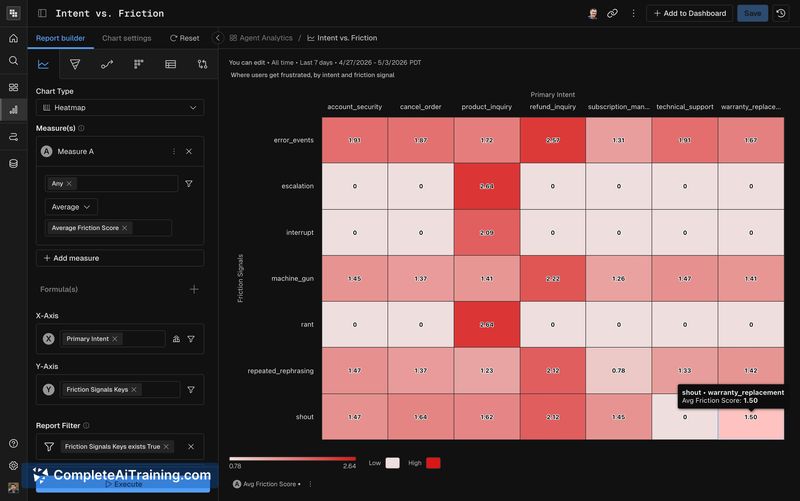
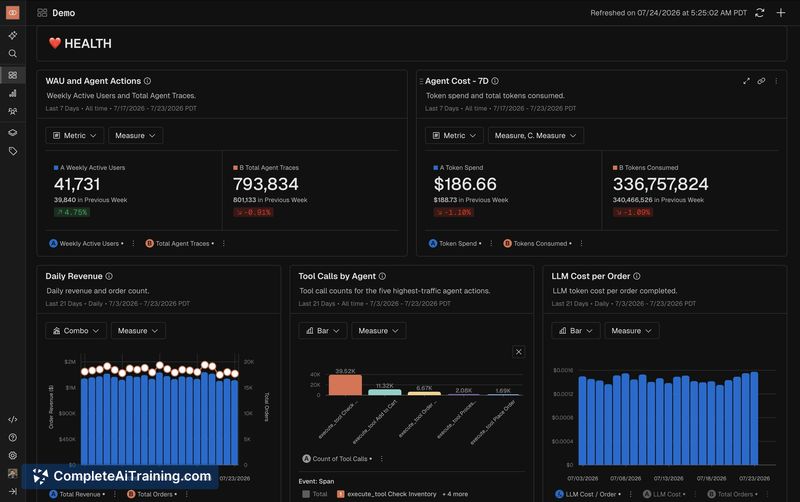
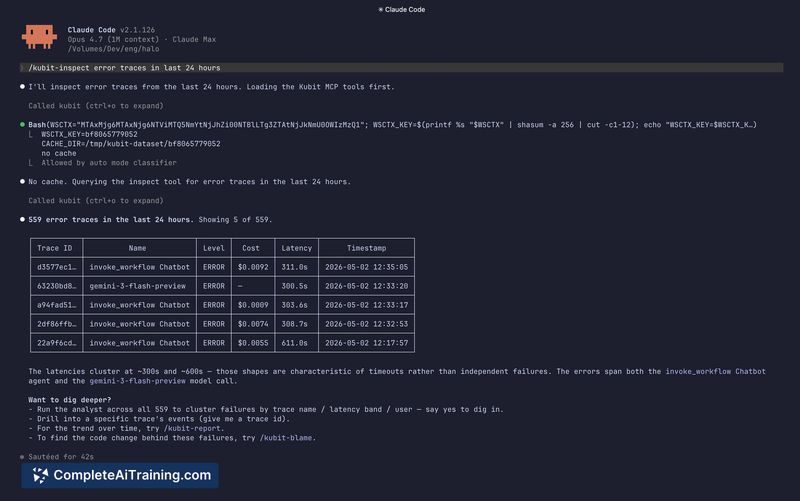
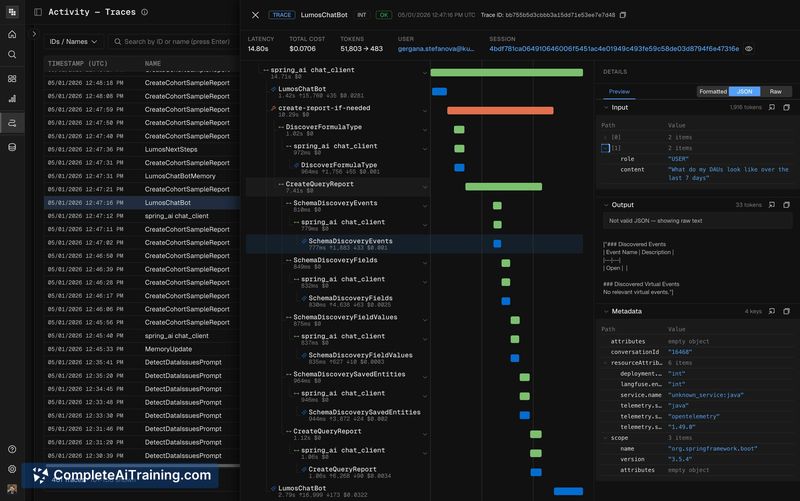
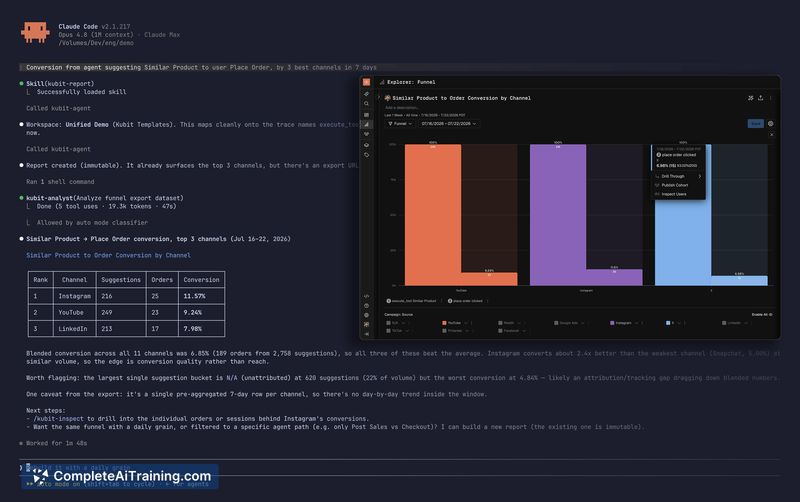

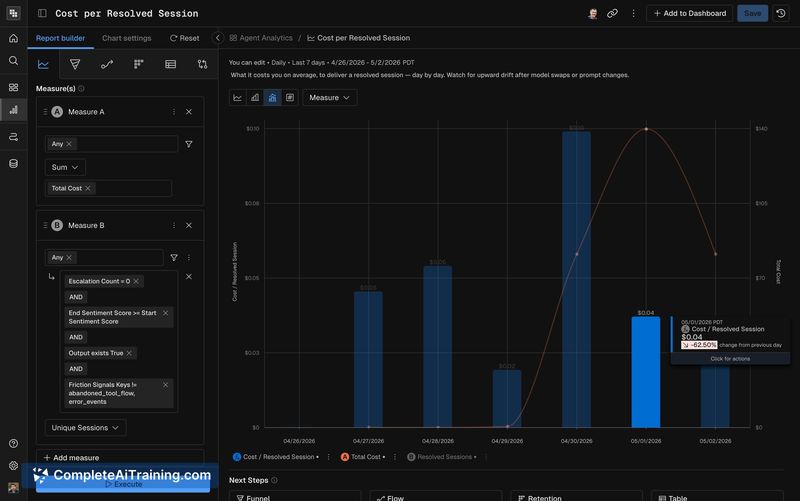
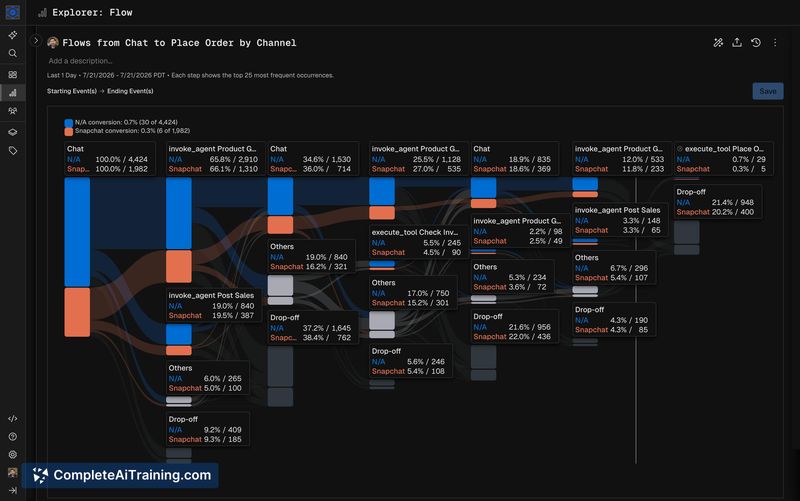
Kubit's launch positions this as a unified analytics layer for both AI agents and the humans interacting with them. The core problem it addresses is the disconnect between what an agent does (visible in traces) and what a user does (visible in product analytics). The tool aims to close that gap without requiring a new telemetry agent or moving sensitive data to a third-party cloud.
Key Features
- Connect Agent Traces to User Behavior: Links backend agent traces to user actions to identify why users re-prompt, abandon a flow, or convert.
- Tie Agent Performance to User Outcomes: Correlates P95 latency, token usage, and model costs with core metrics like DAU, retention, and LTV.
- Track User-Agent Funnels: Pinpoints the exact step where a hallucination or failed tool call disrupts a conversion funnel.
- Map AI User Journeys: Tracks re-prompts, rage clicks, user intent, and sentiment to surface UX dead-ends that standard APMs miss.
- Build Granular Cross-Domain Cohorts: Segments users using conditions that combine backend agent interactions and front-end user behavior.
- Headless for Coding Agents: Uses MCP and custom Skills for headless analytics aimed at developer-facing AI tools.
Pricing and Value
The launch page lists "Free Options" but does not specify exact pricing tiers or limits. The company states that setup takes minutes when connecting to existing OTel or CDP infrastructure. For teams preferring data sovereignty, the BYOW architecture runs analytics on top of your existing Snowflake, BigQuery, or Databricks instance, which the maker describes as "Zero-Copy." Specific pricing for paid tiers is not yet defined in the reference material.
Pros
- Connects two data sources (agent traces and user analytics) that typically live in separate tools, reducing manual tab-switching.
- Supports BYOW, so sensitive prompt data doesn't need to leave your existing data warehouse.
- Works with standard OTel and CDP integrations, avoiding proprietary SDK requirements.
- Includes headless analytics via MCP, which suits teams building coding agents or developer tools.
Cons
- Pricing beyond a free option is unclear, making budget planning difficult for larger teams.
- No reviews or independent case studies are available yet, so real-world performance is unverified.
- Not well suited for teams without an existing OTel setup, a CDP, or a cloud data warehouse, since those are prerequisites for the main integration paths.
Kubit is best for product and AI engineers who already run OTel traces and user analytics and need to correlate the two. Teams with strict data residency requirements will find the BYOW option relevant. If you don't have a warehouse or existing telemetry pipeline, the setup effort will be higher and the value less immediate.
Jobs Product Analytics for Agents and Users suits
We checked Product Analytics for Agents and Users against 500+ jobs; these get the most out of it.