AI tool
Stella
Stella is an emotional wellness AI you talk to by voice or text to work through difficult moments, find another perspective, or plan a small next step. It is for anyone who wants a private place to start talking when life feels heavy and support i...
About Stella
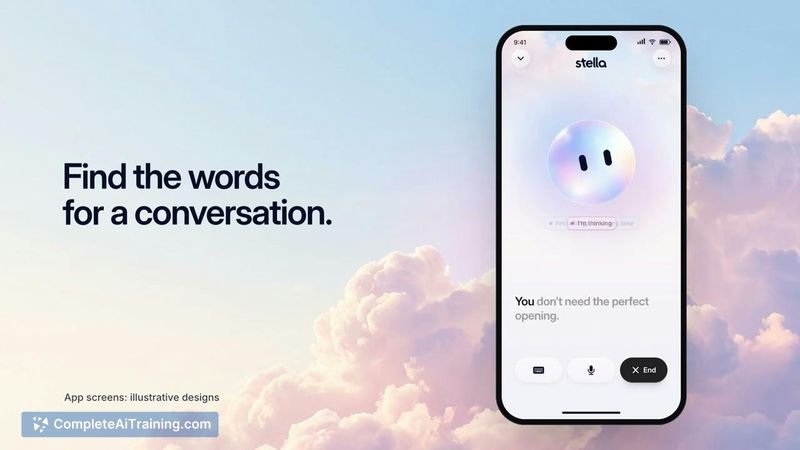
Stella is an emotional wellness AI, launched this week, that users interact with by voice or text. It's designed as a conversational tool where a person describes something that happened, and Stella helps explore another perspective, find words for a conversation, or choose a small step. The tool is available through an iOS app and via iMessage, and the developer states clearly that it is not therapy or a substitute for professional care.
Review
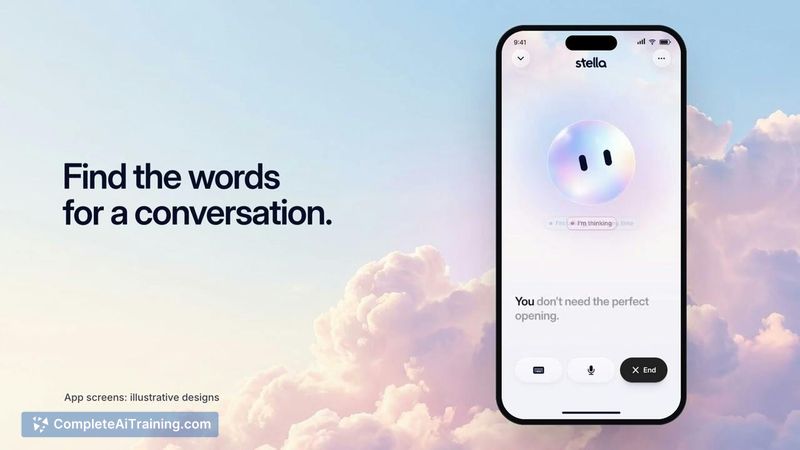
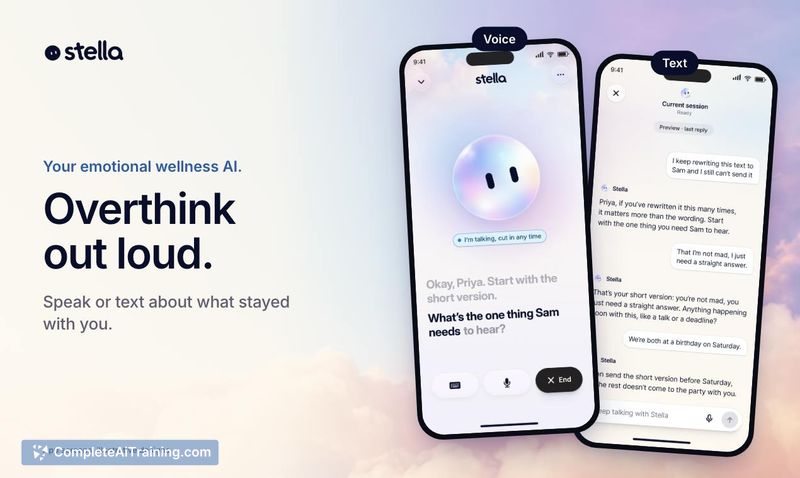
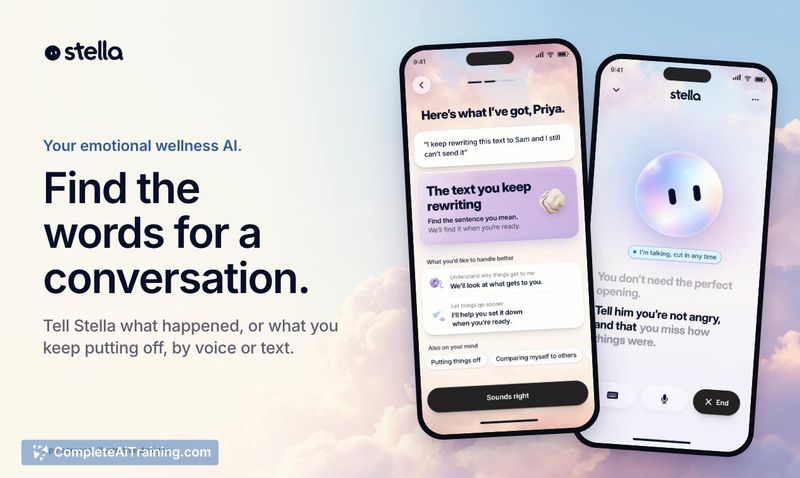
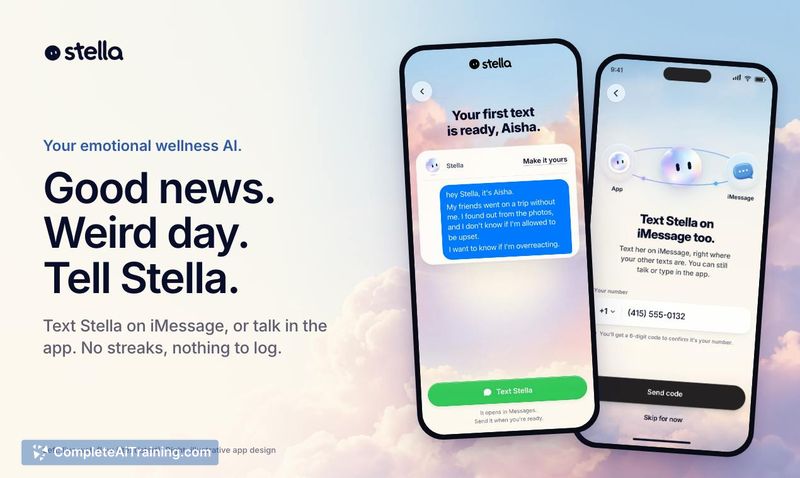
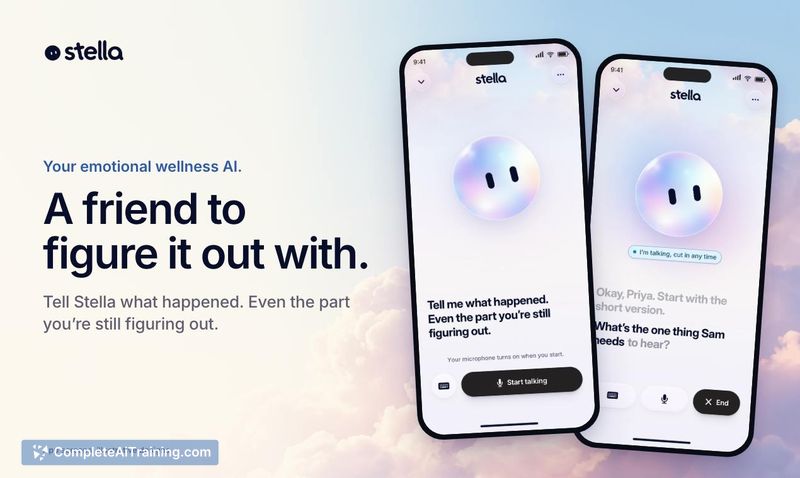
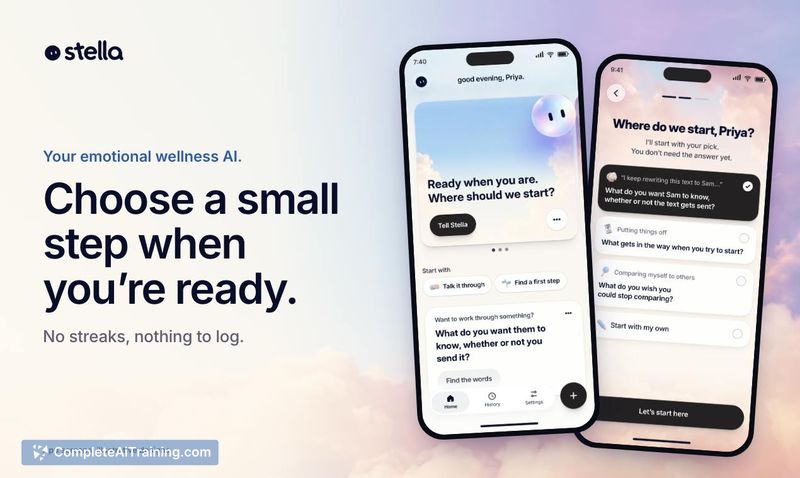
Stella enters a crowded wellness app market with a specific, narrow focus: it positions itself as a starting point for talking things through, not a clinical tool. The two access methods-voice in the iPhone app and text through iMessage-give users different on-ramps depending on what feels natural in the moment. What's here right now is a focused conversational interface, with no dashboard, mood tracking, or long-term progress features mentioned.
Key Features
- Voice input in the iOS app lets users speak what happened instead of typing it out.
- Text Stella works through iMessage on iPhone or Mac, with no separate app install required for that channel.
- The conversation flow asks what happened in the user's own words, then responds with alternative perspectives or small, concrete steps.
- A web-based setup for iMessage generates a first text for the user, which opens directly in Messages on iPhone or Mac.
Pricing and Value
The iOS app is free to download. Continued use requires a subscription, priced at $9.99 per month or $59.99 per year in the US. The iMessage path also requires a subscription after the initial interaction. There is no free tier beyond the first download, and no lifetime purchase option mentioned. Pricing outside the US is not specified in the current product page.
Pros
- Two distinct entry points-dedicated app and native iMessage-let users choose the channel that fits their comfort level.
- Voice input removes friction for people who find typing about difficult topics cumbersome.
- The tool makes its non-clinical nature explicit, which sets clear expectations about its role.
- Annual pricing cuts the effective monthly cost nearly in half for users who commit.
- The onboarding web flow for iMessage pre-composes a starter text, lowering the barrier to a first interaction.
Cons
- No free tier beyond the initial download means users must pay before they can evaluate how the AI actually responds to their personal situations.
- The tool is not suited for anyone needing crisis support, clinical diagnosis, or structured therapeutic intervention-it explicitly disclaims that role.
- There's no Android app or web-based chat interface, so the current audience is limited to Apple device owners.
Stella fits people who want a low-stakes place to talk something out at odd hours, without feeling they're burdening friends. It's less relevant for those who need professional mental health tools or prefer structured exercises over open-ended conversation. The iMessage integration is the more interesting access point, since it lives where many people already have sensitive conversations.