AI tool
VINC
VINC turns a script or idea into a storyboard and then into scenes and shots for filmmaking. It is built for filmmakers who want to plan, generate, and edit within a single tool.
About VINC
VINC is a film creation studio that consolidates AI-assisted scriptwriting, storyboarding, shot planning, generation, and editing into a single application. The tool is built around a stage-based workflow where users can review and refine output at each step, from initial concept to final cut. It also includes a 3D previsualization component for blocking scenes and selecting camera angles before generating shots.
Review
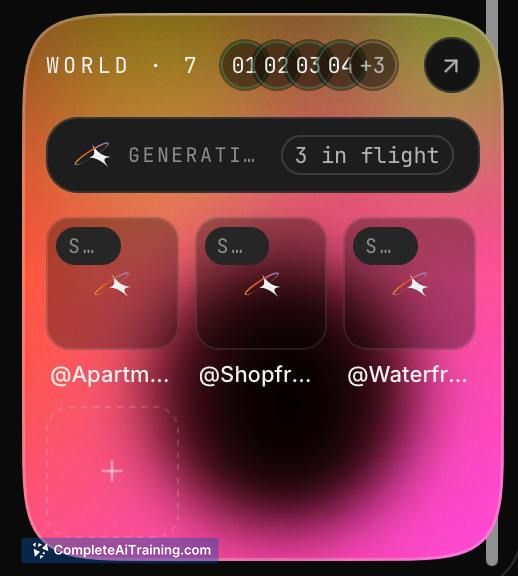
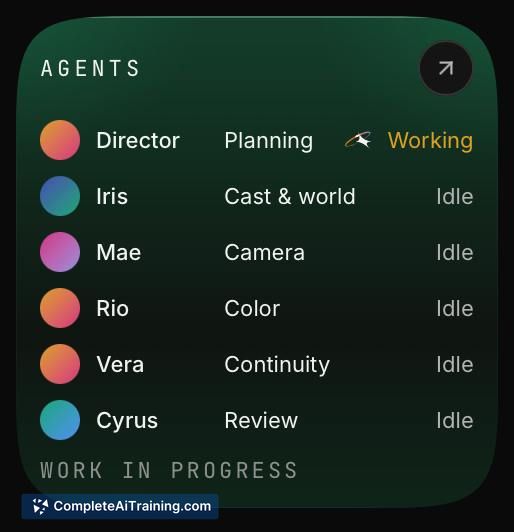
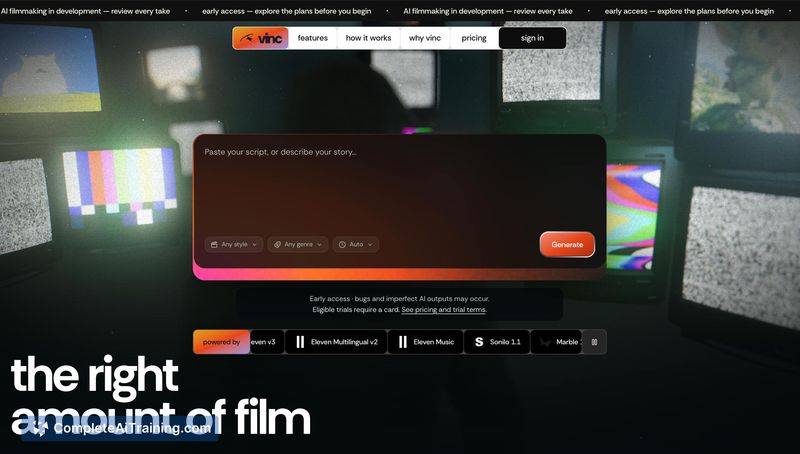
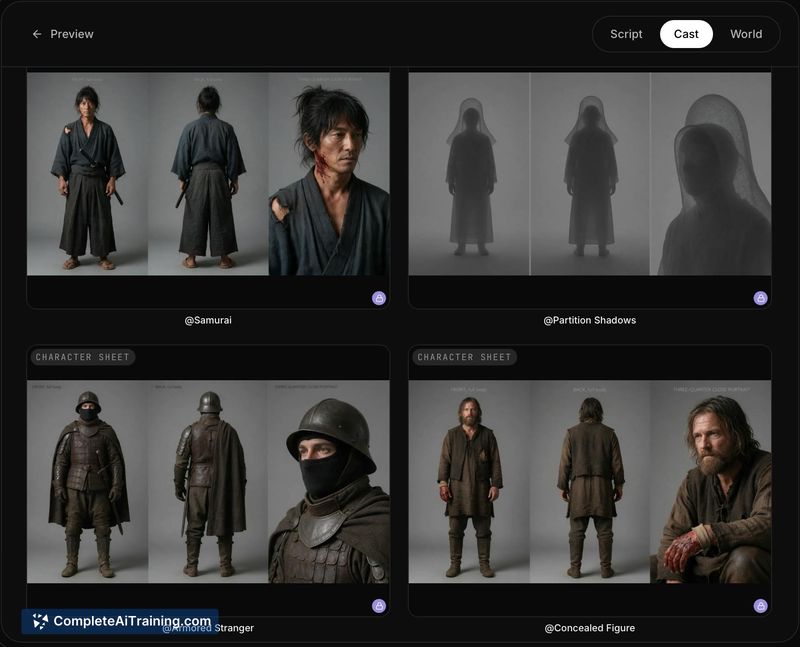
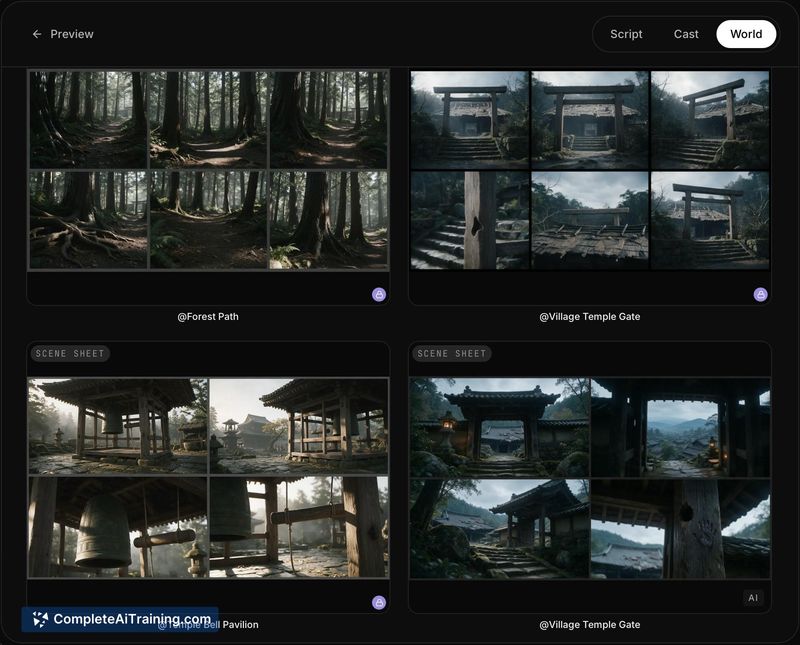
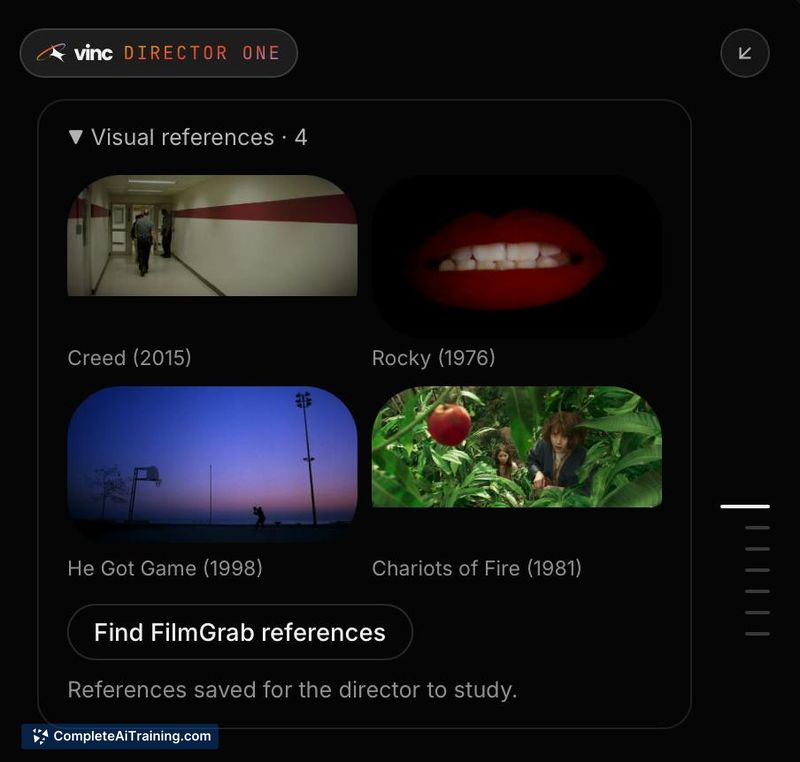
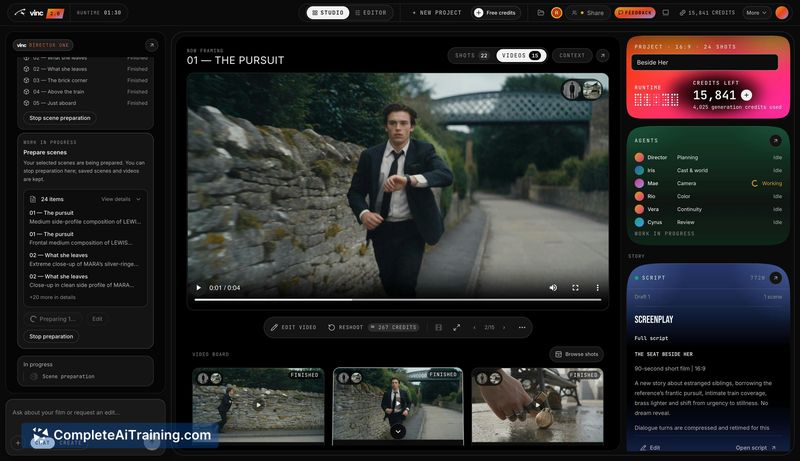
VINC entered public launch this week, targeting filmmakers who want to move an idea through to a finished video without switching between separate tools. The product sequences the filmmaking process into distinct phases - script development, storyboarding, shot generation, and editing - with a "director agent" that can automate transitions between those phases after user approval. It's early-stage software, and the team has stated they push updates weekly based on user feedback.
Key Features
- Stage-based filmmaking pipeline - VINC walks through script, storyboard, scene breakdown, shot generation, and editing in sequence. Users can intervene and make changes at each stage before proceeding.
- Director agent automation - After a user inputs a vision, the director agent writes a script. Once the script is approved, subsequent agents handle storyboarding and shot planning without manual handoff.
- 3D blocking and camera selection - Before generating a shot, users can position bodies, backgrounds, and camera angles within a 3D representation of the set. This gives frame-level control over composition and motion.
- Built-in editor with auto sound - The integrated editor assembles generated shots and automatically adds sound effects and background music. Users can also export projects to external editing software.
Pricing and Value
Pricing information has not been published. As of launch week, the team has not disclosed whether VINC will operate on a subscription model, credit-based system, or free tier. Interested users should check the website for updates as the product matures.
Pros
- Combines the full filmmaking workflow from script to final edit in one tool, removing the need to export between separate applications for planning, generation, and sound design.
- The 3D previsualization feature lets users block scenes spatially rather than relying on text prompts alone to control framing and camera movement.
- Director agent handles sequential handoffs between phases, which reduces manual coordination when moving from script approval to storyboard generation.
- Export capability means finished projects or individual elements can still be moved into other editing software if needed.
- Weekly update cadence suggests the team is actively iterating on the product based on early user input.
Cons
- VINC is not well suited for users who only need a single-purpose AI video generator and don't require scriptwriting, storyboarding, or 3D scene blocking.
- As a newly launched product, it lacks a track record for output consistency and reliability across different filmmaking styles and project lengths.
- The 3D blocking workflow, while offering more control, takes more time than going directly through prompt-based generation - a tradeoff the team acknowledges.
VINC fits filmmakers who have a clear vision but want the intermediate execution steps handled within one environment, particularly those comfortable spending extra time on shot planning for more precise results. It's less relevant for quick, single-shot generations or for users who already have established workflows across separate specialized tools. The product's usefulness will depend heavily on how the automated agents perform across varied creative briefs as more users test the system.