AI tool
ByteAsk Cloud Agents
ByteAsk Cloud Agents is a debugging and optimization tool for C/C++ codebases. It indexes repos using build-aware context, runs only affected tests, and uses native tools like gdb and sanitizers to fix bugs from Slack, Jira, or the CLI.
About ByteAsk Cloud Agents
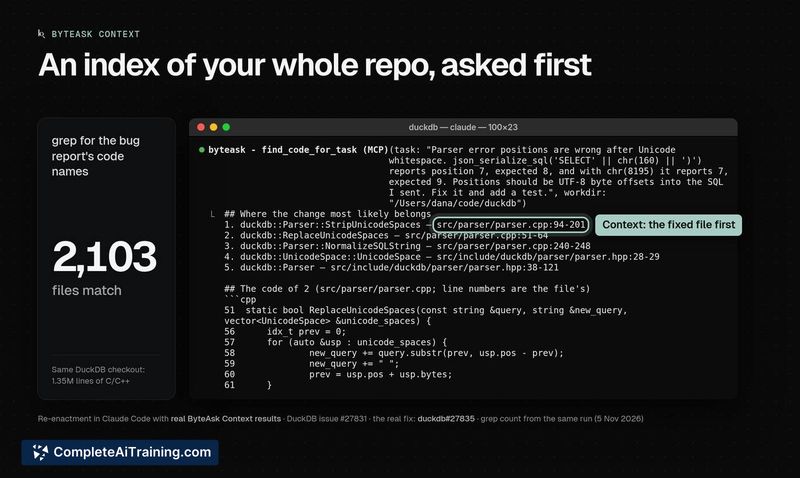
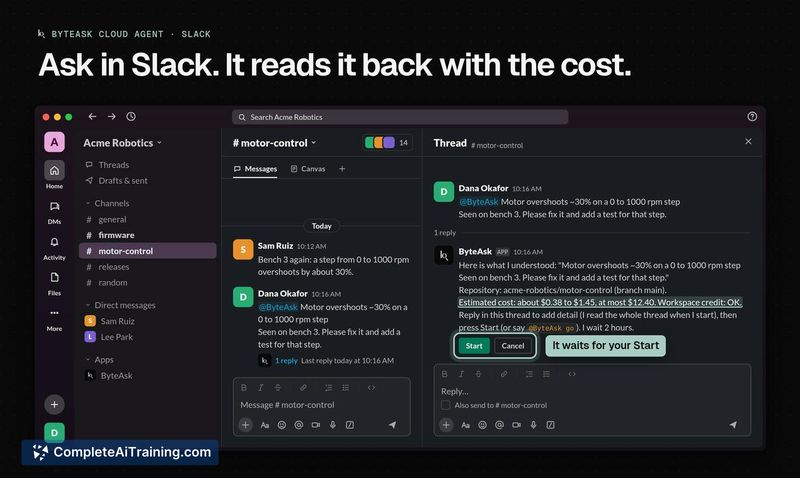
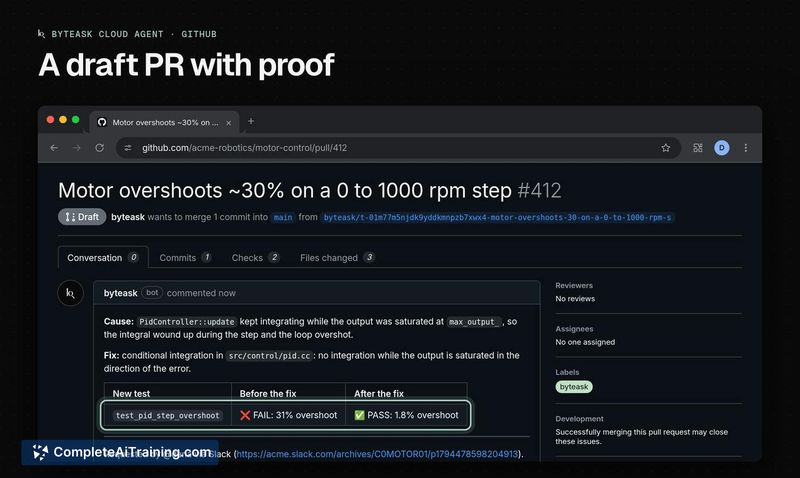
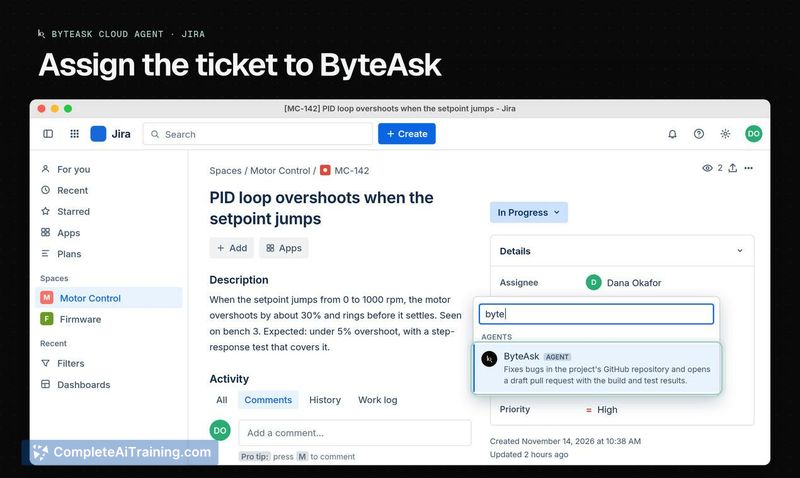
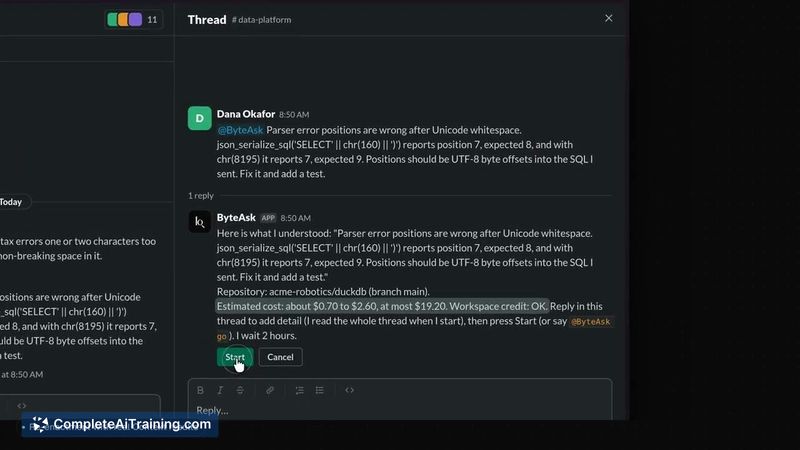
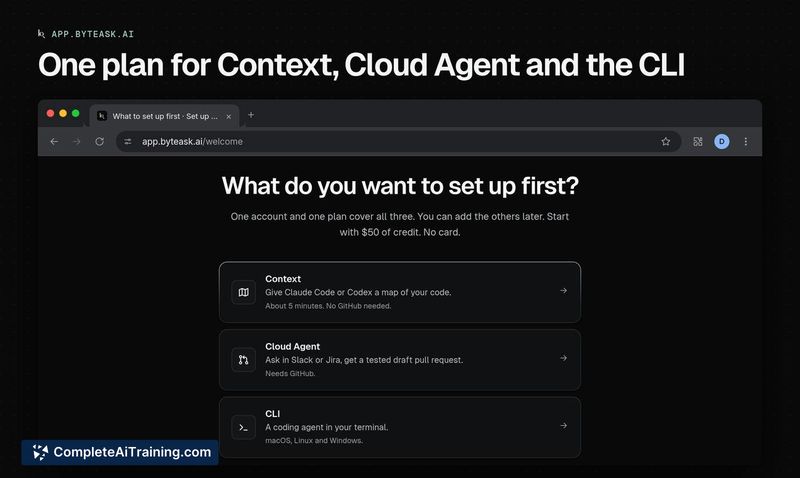
ByteAsk Cloud Agents is a tool that indexes entire codebases so AI coding assistants like Claude Code and Codex can start their work in the correct file, rather than searching by text alone. It targets a specific problem in languages like C++ where function names don't uniquely identify the code - overloads, templates, and preprocessor branches all depend on the build configuration. The Cloud Agent accepts bug reports from Slack, Jira, or a browser, builds and tests fixes in a sandbox, and opens a draft pull request with the results.
Review
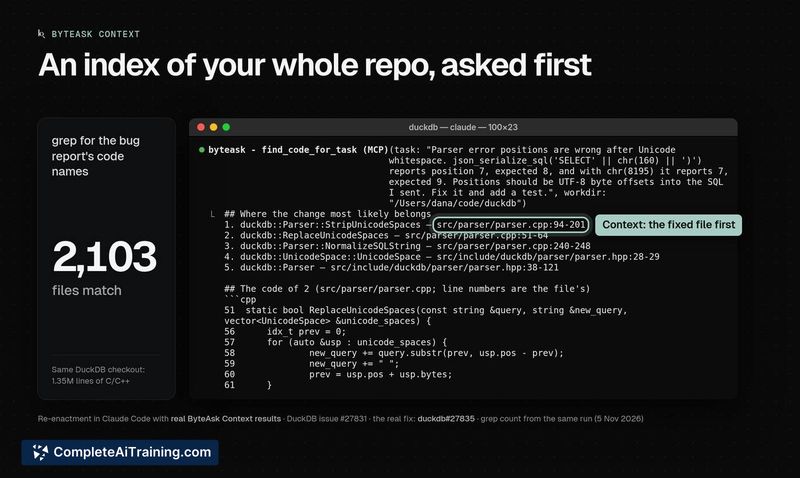
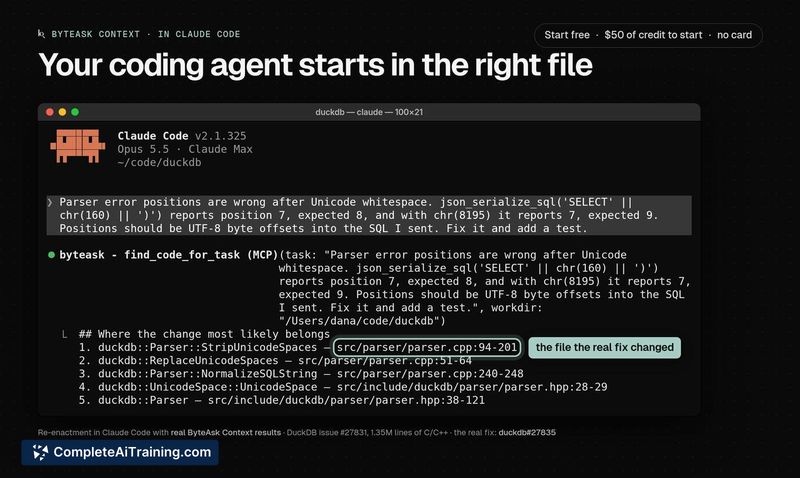
ByteAsk addresses a concrete pain point: AI agents that grep for a function name, land in the wrong overload, and produce a patch that still compiles but doesn't fix the bug. The tool indexes the repo the way the build system sees it, using LLVM-level context rather than plain text search. It's a focused utility that doesn't claim to fix more bugs than its competitors - the makers publish numbers showing it matched Codex CLI on fix count while using fewer tokens.
Key Features
- Build-aware context indexing. The index reflects your actual build graph - which overloads run, which templates instantiate, and which #ifdef branches are live - so the agent starts in the right file instead of guessing from a text match.
- Cloud agents with sandboxed testing. Agents pull tasks from Slack, Jira, or the CLI, attempt fixes in parallel inside a sandbox that uses your toolchain, and then open a single draft PR with the proof attached.
- Incremental index updates. The index updates automatically on pushes to main but only reprocesses changed files. Uncommitted local changes are picked up as well, so the agent works against the code you're currently viewing.
- Native C/C++ debugging harness. On test failures, the harness runs sanitizers, gdb, and perf - tools that are standard in C/C++ workflows but often absent from generic AI coding agents.
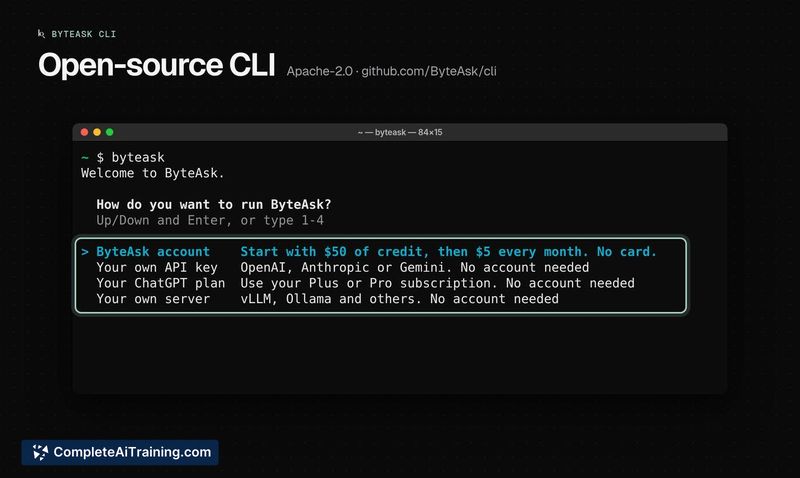
- Open-source CLI. The command-line interface is available on GitHub, which lets teams inspect how the tool interacts with their code and toolchain.
Pricing and Value
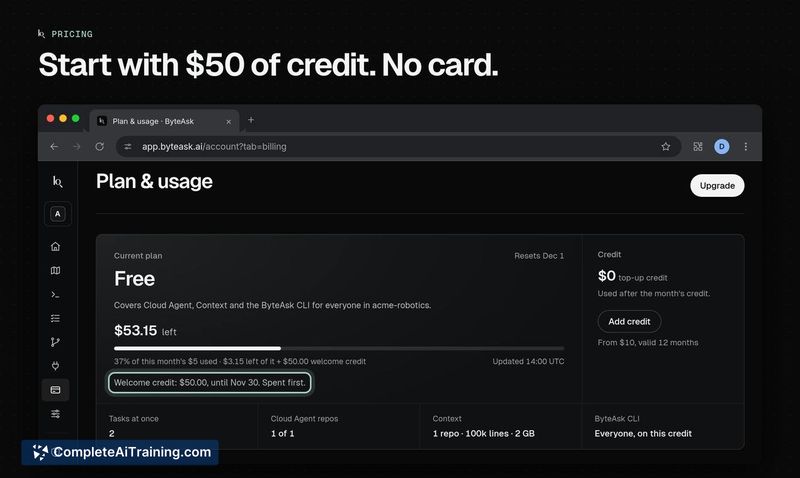
ByteAsk offers a free plan with $5 of usage per month and one cloud agent task, no credit card required. New users start with $50 in credit. The makers report that ByteAsk used 63-80% fewer tokens than Codex CLI on the same tasks, which translated to 59-70% lower cost per fix in their benchmarks. No other pricing tiers are detailed at this stage.
Pros
- Indexes repositories using build-system context, which reduces the chance of an agent editing the wrong function overload.
- Sandbox runs your actual toolchain, including sanitizers and debuggers, rather than a generic test runner.
- Incremental updates keep the index current without reprocessing the entire codebase on every commit.
- Published benchmarks compare against Codex CLI on the same model and tasks, showing token and cost reductions without inflating fix rates.
- Free tier and initial credit let teams evaluate the tool on their own codebases before committing.
Cons
- The tool is not well suited for teams working primarily in languages outside C/C++. All published benchmarks and examples focus on C/C++, and the maintainers haven't yet demonstrated how it handles build graphs for Swift, Rust, or other ecosystems.
- Monorepos with shared packages may create blind spots - it's unclear whether the agent runs tests across all affected packages before opening a PR, or only the package it directly modified.
- Cloud agent capacity on the free plan is limited to one task, which makes it difficult to test the sandboxed PR workflow at any meaningful scale without moving to a paid tier whose pricing hasn't been published yet.
ByteAsk Cloud Agents makes the most sense for C and C++ teams who already use Claude Code or Codex and regularly lose time to agents that misinterpret function overloads or template instantiations. The build-aware index and native debugging harness fit directly into existing toolchains without asking teams to change how they compile or test. Teams working in other languages or with monorepo structures that span multiple deployable units should verify whether the test harness covers all affected packages before relying on the automated PR workflow.