
AI news ·
37% of Disabled People Fear Being Left Behind as AI Transforms Healthcare: The Urgent Need for Inclusive Design
37% of disabled people fear being left behind as AI grows in healthcare. Inclusive design and involvement are key to building trust and accessibility.
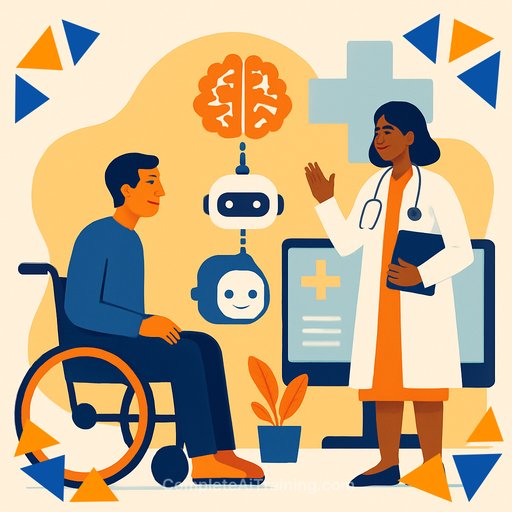
37% of Disabled People Fear Being Left Behind as AI Grows in Healthcare
A recent study by Nottingham-based software company nuom highlights rising concerns among people with disabilities about the increasing role of AI in healthcare. While technology adoption for health management is on the rise, scepticism remains high specifically around AI-powered healthcare solutions.
The study, titled “AI in Healthcare: Why Public Trust Remains the Critical Missing Ingredient,” surveyed 2,000 UK adults. It found that almost two-thirds of respondents with physical or mental disabilities worry that AI’s focus on speed and efficiency could come at the expense of the personal, human support many patients rely on.
Key Concerns from the Disability Community
- 37% of disabled respondents fear being left behind as AI becomes more widespread in healthcare.
- Nearly 75% expressed concern that AI healthcare tools could exclude those less confident with technology.
- 74% believe AI developers should involve people with disabilities to ensure these tools meet their needs.
These worries are significant given that 16.1 million adults in the UK live with a disability, representing nearly a quarter of the population.
Where Trust Exists and Opportunities for AI
Despite concerns, almost half of the disabled respondents said they would trust AI tools for simpler healthcare tasks like medication reminders and automatic repeat prescriptions. This shows potential for digital tools to provide meaningful support if they are accessible and inclusive.
Why Inclusive Design Matters
Martin Sandhu, Managing Partner at nuom, points out that AI can improve healthcare outcomes and reduce pressure on frontline services. However, without inclusive design, AI risks widening existing inequalities.
He stresses the importance of involving people with disabilities in the design and development of AI healthcare technologies from the very beginning. When done right, AI can enhance accessibility, personalize care, and promote independence.
Supporting Technologies and the Path Forward
Reports like Tunstall Healthcare’s recent findings explore how technology helps reduce unnecessary healthcare visits by enabling people to stay at home longer. This reduces reliance on costly health and social care services while supporting autonomy.
For healthcare professionals, understanding these concerns and the potential of inclusive AI tools is vital. It’s essential to advocate for and support AI development that prioritizes accessibility and human-centered care.
To learn more about AI applications in healthcare and how to implement accessible AI solutions, visit Complete AI Training’s healthcare course options.