
AI news ·
AI and supply chains emerge as key links in rising systemic risk
Interconnected risks among Fortune 100 firms climbed 24% since 2019, with AI systems, supply chains, and concentrated infrastructure now driving cascading disruptions.
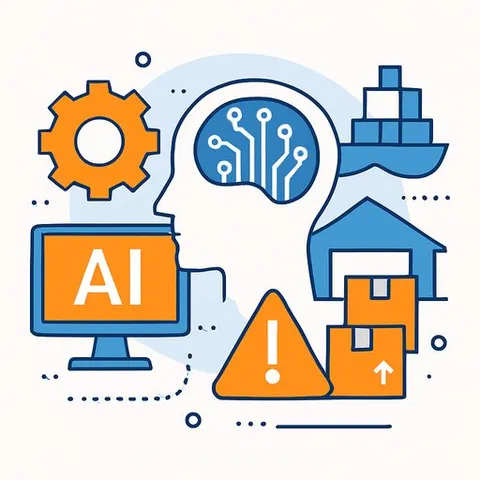
Interconnected risks among the world's largest companies have surged 24% since 2019, according to a joint analysis by Swiss Re Institute and the London School of Economics. The study mapped risk links among 91 Fortune 100 firms, finding that artificial intelligence, supply chains, and concentrated infrastructure now serve as primary channels for cascading disruptions across the global economy.
The research highlights how technological interdependence and lean operating models amplify systemic vulnerabilities. A failure at one node - whether a cloud provider, a critical supplier, or a logistics hub - can propagate losses far beyond the original incident, challenging traditional approaches to risk management and insurance underwriting.
Three channels driving systemic risk
The Swiss Re-LSE analysis identified three interconnected pathways through which disruption spreads. AI systems introduce concentration risk as companies increasingly rely on a small number of foundational models and cloud platforms. A single point of failure in these systems could cascade across multiple industries simultaneously.
Supply chain interdependencies compound the problem. The study found that just-in-time manufacturing and shared logistics networks mean a disruption in one region can halt production globally within days. Concentrated infrastructure - from semiconductor fabrication to payment processing - creates additional bottlenecks where localized events trigger widespread economic consequences.
What the data shows
The 24% increase in risk connections since 2019 reflects both deeper digital integration and the aftermath of pandemic-era supply chain restructuring. Companies that diversified their physical suppliers often consolidated their digital dependencies, inadvertently creating new concentration risks through software platforms and AI tools.
For insurers and reinsurers, these findings carry direct implications. Traditional models that treat corporate risks as largely independent may underestimate loss potential when multiple Fortune 100 firms share critical dependencies. The research suggests that scenario-based stress testing needs to account for these hidden connections.
Why this matters for insurance and risk executives
Underwriters and risk managers should examine their portfolios for shared dependencies among large corporate clients, particularly around AI infrastructure and critical supply chain nodes. The study provides a framework for identifying accumulation risk that falls outside conventional catastrophe models. For professionals managing supplier relationships, developing internal expertise in these emerging risk channels is becoming essential to accurate exposure assessment. Resources like AI Vendor Management Courses can help teams evaluate the concentration risks embedded in their organizations' technology supply chains.