
AI news ·
AI, Arbitration, and Africa: London High Court Judges Debate Technology and Exit Strategies at LIDW
London International Disputes Week featured discussions on AI’s role in litigation and challenges in African legal practice. Experts highlighted AI accountability and the need for strategic exits from African jurisdictions.
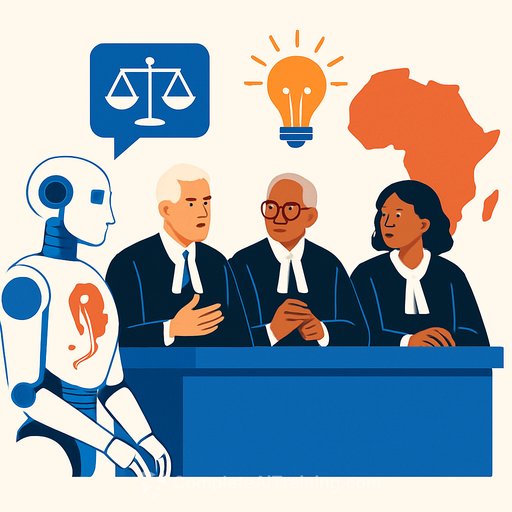
London International Disputes Week Highlights AI and African Legal Challenges
London International Disputes Week (LIDW) brought together London High Court judges, solicitors, and risk experts to discuss key issues including AI’s role in litigation and exit strategies from African jurisdictions.
AI and Litigation: Judges Weigh In
Mr Justice Waksman of the England and Wales High Court emphasized that the challenges and opportunities posed by AI in litigation are universal. He noted that judges from Zambia and Ghana have already shared similar views. According to him, with the right regulation, advancing AI sophistication should be considered an advantage in legal proceedings.
Mrs Justice Smith added that while technology will continue to influence legal practice, fundamental principles remain unchanged. Lawyers must remain fully accountable for their submissions, just as they would when delegating work to juniors.
Adding a practical demonstration, 3VB silk David Quest KC showcased how large-language models (LLMs) can generate legal summaries that closely resemble law report style. He suggested that legaltech could soon handle complex legal tasks effectively.
AI Adoption and Challenges in Africa
Arbitrator and academic Emilia Onyema from SOAS highlighted how the Covid-19 pandemic accelerated technology uptake in Africa’s legal processes. She raised a critical question about the disclosure of AI use in arbitration, pointing out parallels with academic publishing where AI-generated drafts require careful verification and potential disclosure.
Sena Gbedemah, an expert testimony provider, stressed that stable power supply is essential for effective AI use—a significant hurdle in many African regions due to energy poverty. Sharing his experience, he explained opting to participate remotely from the UK during arbitration in Ghana to avoid local power and connectivity issues.
Keating Chambers barrister Abdul Jinadu noted the high number of arbitral centres in Africa—91 providers across more than 50 countries—which might lead to overchoice. He suggested that regional consolidation could improve efficiency.
Exit Strategies in African Mining and Energy
Law firm Pinsent Masons and Control Risks hosted a panel on exit strategies in Southern and Francophone Africa’s mining and energy sectors. Edward Hart from Control Risks described corporate exits as complex, often contentious, and costly processes.
Economist Oludamilare Adesola identified three main reasons companies exit jurisdictions: strategic shifts, declining financial viability, and project lifecycle completion. However, unplanned exits may happen due to security risks—as seen in Burkina Faso—or political actions like license revocations in Mali.
Mark Thomas, legal director at Pinsent Masons Johannesburg, emphasized maintaining good relations with both governments and local communities. He warned that neglecting community engagement risks operational disruptions such as blockades or union strikes, which could jeopardize exit plans.
Olivier Bustin, Pinsent Masons partner based in Paris, highlighted strict foreign exchange controls in countries like Côte d’Ivoire, Cameroon, and Madagascar. He advised investors to prepare for tough tax audits and to carefully review bilateral investment treaties, which vary in protection and applicability.
Conclusion
London International Disputes Week provided valuable insights into how AI is shaping litigation globally and the practical challenges of legal practice in Africa. The discussions underscored the importance of accountability in AI-assisted legal work and the need for strategic, well-managed exits from African jurisdictions.
For legal professionals interested in AI applications and legaltech tools, resources such as Complete AI Training’s latest AI courses offer practical guidance on integrating AI in legal workflows.