
AI news ·
AI-Generated Victim Impact Video Sparks Legal Debate in Arizona Courtrooms
Arizona courts face legal and ethical debates as AI-generated videos influence sentencing. Experts warn AI's use may distort justice and raise fairness concerns.
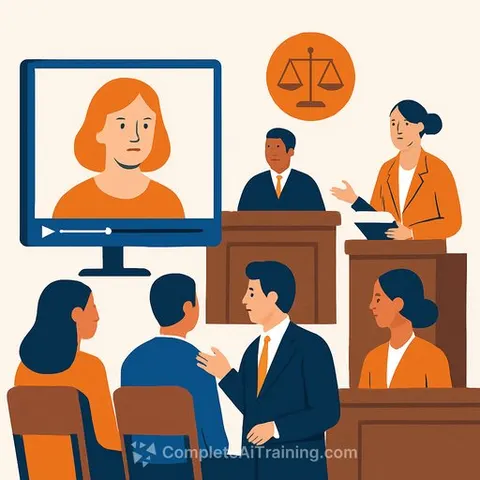
Artificial Intelligence in Courtrooms Raises Legal and Ethical Concerns
In Arizona, the use of artificial intelligence in courtrooms has sparked a significant legal debate. During a sentencing hearing in Phoenix, an AI-generated video featuring a likeness of the victim, Christopher Pelkey, delivered a message of forgiveness to the man who shot him. This unprecedented moment influenced the judge to impose the maximum sentence of 10.5 years—exceeding the prosecutors' recommendation.
The defendant’s lawyer quickly filed a notice of appeal, questioning whether the judge improperly considered the AI video when determining the sentence. This case highlights the challenges courts face nationwide as AI tools increasingly enter legal proceedings.
Emerging AI Practices in Courtrooms
The Arizona Supreme Court has proactively formed a committee to study best practices for AI use in the legal system. Other states are experimenting as well. In Florida, a judge used a virtual reality headset to see through the eyes of a defendant claiming self-defense. In New York, a man without legal representation attempted to argue his case through an AI-generated avatar, but judges soon recognized the video was not real.
Legal and Ethical Implications
Experts warn that AI’s persuasive power could distort judicial outcomes and widen disparities in the justice system. David Evan Harris, an AI deepfake expert at UC Berkeley, points out that parties with more resources might leverage AI to their advantage, potentially disadvantaging marginalized defendants.
Cynthia Godsoe, a law professor and former public defender, raises concerns about the authenticity of AI-generated evidence. Courts will need to scrutinize whether AI visuals accurately represent witnesses or suspects or whether they might exaggerate physical characteristics, potentially misleading juries and judges.
Balancing Innovation and Ethics
Stacey Wales, sister of the victim Christopher Pelkey, reflected on the ethical considerations before using AI to create the video message. She emphasized that the goal was to humanize her brother and convey a message he would have supported, avoiding manipulation or misrepresentation.
Victims in Arizona are permitted to submit impact statements in any digital format, which opened the door to this novel use of AI. The judge, Todd Lang, praised the video for its emotional depth and the family’s courage in allowing Christopher to "speak" through AI.
Looking Ahead
As AI continues to integrate into courtroom settings, legal professionals must develop clear guidelines to address its risks and benefits. Ensuring fairness and maintaining the integrity of evidence will be critical as courts decide how to handle AI-generated content.
For legal practitioners interested in learning more about AI and its implications in law, resources like Complete AI Training offer courses that cover AI applications relevant to legal professionals.