
AI news ·
AI helps telecom operators turn network data into better broadband experiences
Nokia is using agentic AI in its Cognitive Broadband platform to help ISPs cut support tickets and predict churn before customers cancel. The system automates Wi-Fi fixes and retention offers, shifting support agents from reactive troubleshooting to proactive customer management.
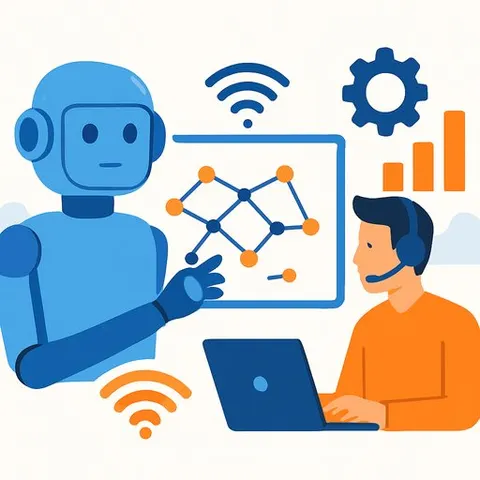
Internet service providers are turning to artificial intelligence to handle a problem that has resisted traditional network management: subscribers expect flawless connectivity at all times, and they notice when it falters. AI systems can now analyze network and customer data in real time to resolve support tickets faster, predict churn before it happens, and optimize broadband performance across the home connection. For customer support teams, this shifts the job from reacting to complaints to preventing them in the first place.
Nokia is positioning its fixed-network portfolio around this idea, which the company calls Cognitive Broadband. The concept applies agentic AI across the network lifecycle to convert raw operational data into actions that improve customer outcomes - from automated Wi-Fi optimization to tailored retention plans.
How AI is changing first-contact resolution
Traditional support models often leave subscribers frustrated by long wait times and repetitive troubleshooting steps. AI-driven systems change this dynamic by analyzing current and historical technical data the moment a customer contacts support. The system can tell an agent whether the issue comes from a device glitch or a broader network outage, which removes the usual guesswork.
Natural language models and AI analytics help customer support teams achieve higher first-contact resolution rates, according to Nokia. When subscribers reach out, the AI identifies the likely cause and guides the care agent through the fix. The result is fewer escalations, faster resolution, and more consistent support for the person on the other end of the line.
For support professionals, this is a companion tool rather than a replacement. The systems handle diagnosis and recommendation; the agent manages the conversation and the outcome.
Predicting churn before it happens
AI-driven retention shifts operators from reactive damage control to proactive action. The logic is straightforward: acquiring a new customer costs more than keeping an existing one. AI identifies patterns in usage data that signal growing dissatisfaction before a subscriber ever calls.
Nokia describes a household that regularly hits its bandwidth cap during peak gaming or streaming hours. The AI can flag that pattern and trigger a fix before it becomes a complaint. That might mean automatically rerouting the home Wi-Fi channels behind the scenes, sending a notification that helps the customer resolve the bottleneck, or activating a personalized plan upgrade if no technical fix fully solves the problem.
This is where AI support tools start to resemble actions, not just automation of chat scripts. Each of those actions is designed to keep service subscribers engaged, and it happens at the moment the customer is most likely to leave.
Optimizing the network and in-home Wi-Fi
Customer care and churn prevention both depend on the network performing well in the first place. On the FTTH network, AI acts as a virtual repair assistant and a capacity planner at once. Operators can use a digital twin of the network to run what-if analyses on traffic loads, stress-test systems, and expand physical capacity before bottlenecks materialize.
Inside the home, AI can analyze structural barriers and signal interference to guide optimal router placement and channel assignment. The role of Wi-Fi in customer satisfaction is so large that improving it changes the quality of the connection even when the broadband circuit itself is healthy.
What this means for customer support professionals
For customer support teams, the practical implications are immediate. First-contact resolution rates will climb as agents get real-time network history and diagnostics on the same screen where they work. Less time will be spent on troubleshooting steps the subscriber has already tried. Escalations to engineering will drop, and resolve actual network issues.
This also changes the idea of what a support call should accomplish. Best-foreshadowing days for a career built on knowing which Wi-Fi channel works best - AI will handle that. What surfaces is support work that emphasizes judgment and communication: choosing the right retention offer, explaining a complex fix in plain language, listening for what the technical history does not show.
Where professionals can build skill in the role is precisely where AI is weakest: managing conversations with a frustrated customer and deciding when a particular warning matters. Nokia positions the AI and the technician as the complementary pair that turns support from a cost center into a driver of loyalty.