
AI news ·
AI in banking needs human accountability, not just automation, says Oleevia MD
Banks deploying AI must keep humans accountable for critical decisions, as algorithms cannot bear legal or reputational risk. AI handling 95% of fraud detection still leaves 5% false positives that erode trust if no person reviews the case.
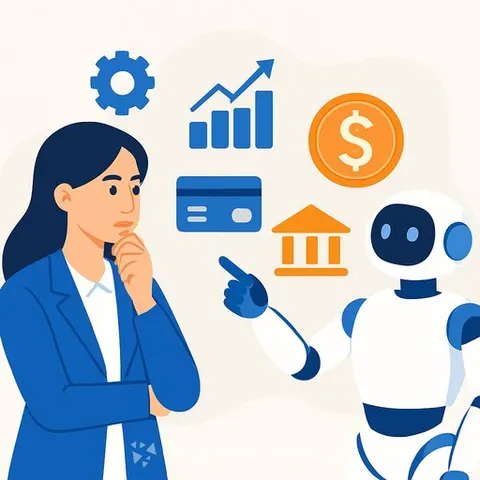
Banks and financial institutions racing to deploy artificial intelligence must ensure humans, not algorithms, remain accountable for critical decisions. That was the central message from Krishnakumar, Managing Director of Oleevia, who said AI can accelerate decision-making but cannot replace human responsibility.
"While AI could speed up decision-making, accountability for those decisions had to remain with people, not systems," Krishnakumar said. The statement comes as banks increasingly use AI for loan approvals, fraud detection, and customer service workflows.
The accountability gap in automated banking
Financial services firms have adopted AI tools to process claims, flag suspicious transactions, and personalize product recommendations. These systems can analyze thousands of data points in seconds. But when an algorithm denies a loan or freezes an account, customers still want a person to explain why.
Regulators in multiple jurisdictions have also started asking harder questions. The European Union's AI Act classifies credit scoring and insurance pricing as high-risk applications, requiring human oversight. Indian regulators have signaled similar expectations without formal rules yet in place. Krishnakumar's comments reflect growing industry recognition that automation without clear chains of accountability creates legal and reputational risk.
Where AI fits - and where it doesn't
Krishnakumar described a model where AI handles data processing and pattern recognition, while human judgment remains the final step. For routine tasks like document verification or basic customer queries, automated systems work well. But decisions involving creditworthiness, claim denials, or fraud investigations need a person reviewing the output before action is taken.
This approach aligns with what operational leaders in banking have learned from early AI deployments. A fraud detection system might flag a transaction correctly 95% of the time. The remaining 5% - false positives that block legitimate payments - erode customer trust if no human reviews the case. The cost of getting it wrong falls on the institution, not the model.
Why this matters for finance and management professionals
For managers in banking, insurance, and financial services, the takeaway is practical. Deploying AI without defining who owns the outcome invites trouble during audits, regulatory reviews, or customer disputes. Teams need documented processes showing exactly where human review occurs in automated workflows. For professionals evaluating AI for Finance Courses, understanding governance and accountability frameworks is as important as learning the technical tools themselves.
Customer support and sales teams also need clarity. When a customer challenges an AI-driven decision, the representative must know who has authority to override it and under what conditions. Without that structure, frontline staff absorb frustration they cannot resolve. Compliance specialists may find structured learning paths like AI Regulatory Compliance Courses useful for building these governance frameworks.
Krishnakumar's point is straightforward: speed without accountability is a liability. Banks that treat AI as a tool to support human decision-makers, rather than replace them, will be better positioned when regulators and customers demand explanations.