
AI news ·
AI-native point-of-sale technology helps waiters lift revenue per guest naturally
Lumiere AI's point-of-sale system, which provides real-time menu suggestions to waitstaff during guest interactions, reports 7-16 percent sales growth in early restaurant deployments without price increases.
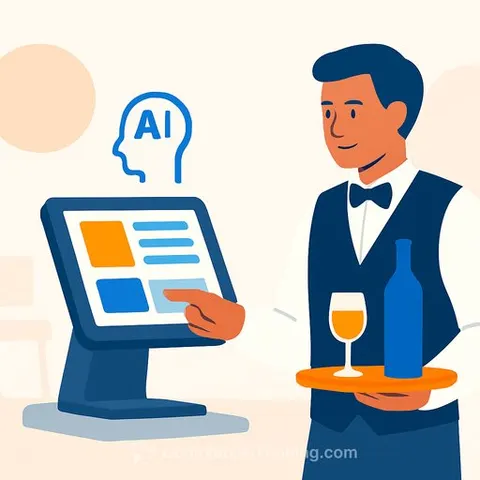
Point of sale systems at most restaurants function as little more than digital receipt pads - they move orders to the kitchen and log transactions after the fact. But with margins shrinking and menu prices approaching their ceiling, every interaction at the table now carries more financial weight.
Arian Zandi, founder at Lumière AI, argues the technology should help staff make decisions while the customer is still sitting in front of them. "Margins are laser thin," Zandi said, and tools embedded in real-time service are becoming necessary for restaurants that need to find revenue without raising prices.
AI recommendations that follow the guest's lead
Most AI in hospitality has focused on back-office cost reports or kitchen efficiency. Zandi said the overlooked opportunity is at the table itself: waiters and senior chefs shape both the guest experience and the financial result of every shift. "The hospitality industry is not just reports, it's not just insights and it's not only managers that are taking action," he said.
High staff turnover compounds the problem. New servers rarely have the menu knowledge or confidence to suggest upgrades naturally. Lumière AI reports between 7 and 16 percent sales growth in early deployments of its point-of-sale AI, along with increased spend per guest across pilot restaurants.
The design philosophy matters. Instead of prompting a waiter to lead with a suggestion before taking a drink order, the system surfaces what Zandi calls reactive recommendations - responses to a customer's own initiation. "Every interaction that the customer initiates first with the waiter" becomes an opening, he said. That distinction keeps the experience from feeling like a pitch.
Confidence builds beyond the algorithm
Zandi said the revenue effect may extend beyond the suggestions the engine produces. Once staff see the machine's recommendations working, they start making their own. "One thing that I have seen from our restaurants and multiple clients is that waiters start to even recommend things that are not necessarily part of the recommendation engine."
The same granular transaction data can also feed menu engineering decisions - helping operators decide which dishes to feature, how to price them, and where to place them on the page.
For sales professionals watching the hospitality space, the lesson is straightforward: the best AI tools for revenue do not interrupt the natural rhythm of a conversation. They arm the person in front of the customer with better judgment, not a script. That principle applies anywhere a sales interaction happens under time pressure.
AI tools for sales representatives that follow the same pattern - triggering at the moment of customer intent rather than forcing an agenda - are the ones most likely to stick. Lumière's pilot data suggests that outcome is measurable: the staff trust the technology enough to use it, and act on their own improved instincts as a result.