
AI news ·
AI SEO Strategies: Putting Audience Relevance at the Heart of Search Success
AI SEO combines SEO and PR to create clear, relevant content that connects with specific audiences. Success means focusing on authentic engagement, not just keywords.
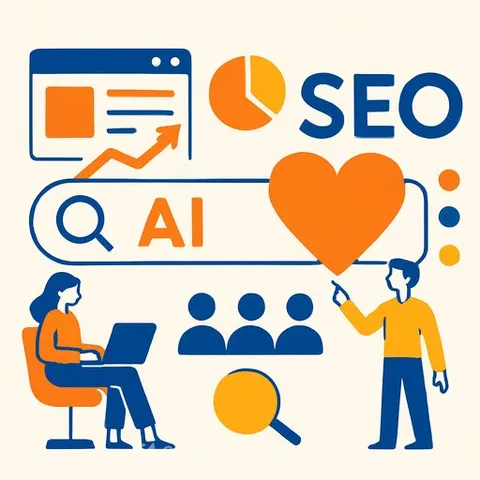
AI SEO: An Audience-First Approach to Showing Up in AI Results
The way we approach search is shifting. SEO and public relations used to operate in overlapping but distinct spaces. Now, with AI shaping search results, communicators must blend these disciplines to create content that resonates, drives results, and balances both search visibility and brand awareness.
Jordan Leschinsky, head of strategy at communications agency Codeword, highlights that the old division between SEO and PR no longer fits today’s landscape. “SEO is now part of a bigger picture rather than the single tool for search,” she explains.
SEO should be a core skill for communication teams. But as AI reshapes search, strategies need to integrate generative optimization from the start. This means building content frameworks with AI’s influence in mind.
Shifting to an Audience-First Mindset
With AI, SEO moves from a search engine-first to an audience-first approach. Leschinsky points out that content must be clear, helpful, and relevant—not just stuffed with keywords or optimized headlines. It must align with how people actually use search today.
AI enables more detailed and personalized search experiences. Content that targets unique, specific audiences will perform better. For example, a pair of running shoes isn’t just for runners anymore. The ideal audience could be a beginner runner living in a rainy city like Seattle who aims to run a marathon eventually. Tailoring content to such detailed profiles helps brands connect with the right people.
The AI Visibility Triangle
To navigate AI-driven search strategies effectively, Codeword developed what they call the AI visibility triangle. This framework connects three key elements:
- Content: Traditional SEO practices like keywords, optimized headlines, and clear content.
- Communications: Monitoring what others say about your brand and ensuring alignment with your messaging.
- Community: Understanding what matters most to your audience and creating content that resonates and makes an impact.
This model was born from ongoing testing and input from SEO professionals working with AI daily. “The landscape shifts so fast,” Leschinsky says, “but this simple framework helps comms teams focus on the essentials if AI search matters for them.”
Back to Basics: Targeting the Right Audience at the Right Time
Success today means asking simple but critical questions: Is your message appearing where your audience is engaged? Is it believable? Is it unique and relevant? AI search rewards content that connects authentically to the community around it.
Gone are the days when keywords alone ruled search. AI picks up on nuanced phrases and context to match content with specific audiences. While brands can’t control everything outside their own digital spaces, there are concrete actions to boost visibility within target groups and communities.
For those working in public relations and communications, integrating AI-aware SEO means focusing on clarity, relevance, and genuine connection. This approach improves not only search presence but also overall brand trust and engagement.
To explore more practical AI-driven SEO and content strategies, consider resources like Complete AI Training’s latest courses that offer guidance on adapting communication to AI-powered search.