
AI news ·
AI system identifies drug candidate that blocks 91% of liver scarring response in lab tests
Stanford researchers used an AI system called Co-Scientist to find existing drugs that could treat liver fibrosis. One candidate blocked 91% of a scarring-linked response in lab tests.
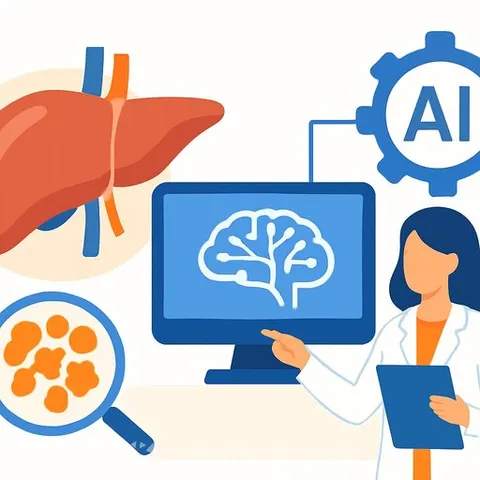
Stanford researchers identify drug candidates for liver fibrosis using AI
Gary Peltz and his team at Stanford University School of Medicine used an AI system called Co-Scientist to identify existing drugs that could treat liver fibrosis. The approach identified overlooked drug-repurposing candidates, with one blocking 91% of a scarring-linked response in laboratory tests.
The results, published in Advanced Science, point toward new gene-regulating approaches for chronic liver disease.
How the AI assisted the research
Peltz described Co-Scientist as a research collaborator with access to biomedical literature and the reasoning capability to identify connections researchers might miss. The system accelerated the search for treatments by surfacing drug candidates that had not been previously considered for this application.
Rather than starting from scratch to develop new compounds, the team focused on finding existing medications that could be repurposed-a faster path to potential therapies.
What this means for researchers
The work demonstrates one practical application of AI in drug discovery: mining existing pharmaceutical data to find new uses for known compounds. For researchers working on chronic diseases, this approach can compress timelines between initial discovery and laboratory validation.
Scientists interested in applying similar methods to their own research can explore AI for Science & Research resources designed for research professionals.