
AI news ·
AI tools help criminals build convincing scams, costing Americans $21 billion last year
AI tools let scammers build fake sites, clone voices, and impersonate businesses with no typos or blurry photos to tip you off. The FBI says cybercrime cost Americans $21 billion last year, with $893 million tied to AI schemes.
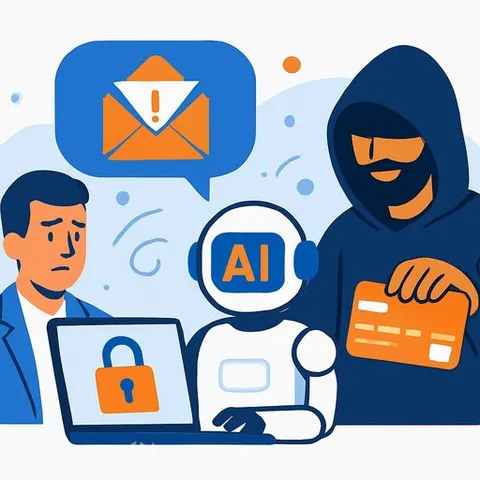
Online Scams Have Evolved in the A.I. Era. Here's What to Do.
Criminals now use generative AI and LLM tools to create convincing fake websites, impersonate businesses and individuals, and replicate voices. The old warning signs-typos, poor grammar, blurry photos-have largely disappeared.
The shift happened fast. Chatbots, image generators, and voice-cloning tools are now cheap and accessible enough for scammers to produce polished materials that pass basic scrutiny.
How the Scams Work
Look-alike e-commerce sites are among the most common AI-enabled scams. A fake retailer might copy a brand's legitimate website design, add product listings, and accept payment before disappearing.
The FBI reported that cybercriminals defrauded Americans of nearly $21 billion last year. About $893 million in losses were linked to AI-powered schemes.
Scammers also impersonate celebrities, customer service agents, and family members. Voice cloning makes these impersonations harder to detect over the phone or video call.
What Actually Works
Verify directly with the company. If you receive an email asking for payment or personal information, call the business using a phone number from their official website-not a number in the email.
Check for website legitimacy before entering payment information. Look at the domain name carefully. Fake sites often use URLs that closely resemble the real thing but with slight variations.
Search for complaints. If a retailer or service is fraudulent, users typically report it on Reddit, review sites, or the company's own social channels.
Be skeptical of unsolicited contact. Unexpected offers-especially heavy discounts-warrant investigation before you act.
Enable two-factor authentication on financial accounts and email. This blocks scammers even if they obtain your password.
Report suspected fraud to the Federal Trade Commission at reportfraud.ftc.gov.