
AI news ·
AI vs Soul: Kingston Creative debates what's next for creative careers
At Kingston Creative's meetup, the takeaway was clear: AI may speed the work, but your voice is the moat. Publish more, protect IP, show your process, and keep the soul.
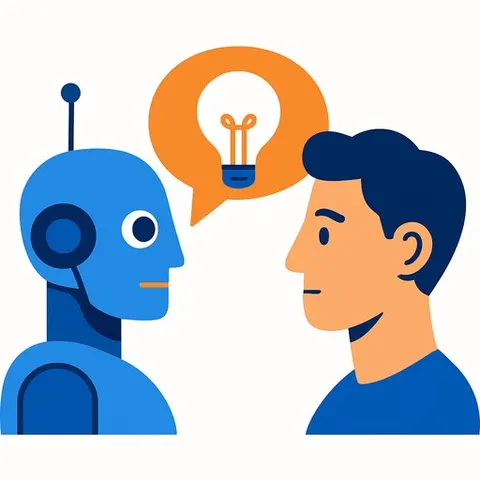
AI vs soul: what Kingston Creative's meetup means for your career
On stage at Kingston Creative's "Creative Futures" meetup, four voices from art, policy, and law took on a simple question with heavy consequences: where does human taste end and machine output begin?
Bonito Thompson (DonDada Creative Agency), Christopher Reckord (ICT Authority and National AI Taskforce), Andrea Dempster Chung (Kingston Creative), and René Roper (AI and IP corporate attorney) agreed on one thing-AI is changing how work is produced, distributed, monetised, and experienced. The work now is to build new habits, new protections, and new offers.
The signal from the panel
- Your voice is the moat. AI can draft, but it cannot live your story. Ship with your taste baked in-style guides, visual systems, and repeatable formats.
- IP is currency. Clarify rights on datasets, prompts, model use, and final outputs. Contracts need plain language on consent, credit, and commercial use.
- Distribution beats perfection. Use AI to cut turnaround time and publish more often across channels. More at-bats, same standards.
- Proof-of-work matters. Show process reels, time-lapses, and behind-the-scenes. Buyers pay for judgment, not just files.
- Policies are coming. Align early with fair-use, safety, and disclosure practices to protect clients and keep trust.
- Collaboration wins. Pair human direction with machine iteration. You keep the taste; the model handles the grunt work.
A practical creative workflow you can adopt this week
- Discovery: Pull references with AI search, cluster themes, and build a one-page mood and message board.
- Ideation: Generate 20-30 rough options (copy, comps, storyboards). Score them against the brief. Keep 3.
- Draft: Produce a first pass fast. Lock constraints (palette, type, tone) to keep consistency.
- Human edit: Tighten for voice, context, and taste. Remove clichés. Add a clear point of view.
- Rights: Note which tools, models, and datasets were used. Confirm licenses. Credit where needed.
- Ship: Export in platform-native specs. Post, email, and pitch with a single call to action.
- Archive: Save prompts, settings, and assets as a reusable system. Bill for the system, not just the file.
Contracts and IP-protect the work and the relationship
René Roper's lens was clear: write it down. Spell out AI use in your scope, including model names, training data concerns, ownership of prompts, and indemnity. Separate your reusable system (your secret sauce) from the client's deliverables and license them accordingly.
Want a primer on global IP topics tied to AI? Start with the WIPO overview on AI and IP. For ethics and disclosure baselines, review the UNESCO Recommendation on the Ethics of AI.
Policy and opportunity in Jamaica
With Christopher Reckord helping steer the National AI Taskforce, expect clearer guidance for data use, accountability, and public-sector adoption. For creatives, that likely means new standards for disclosure and rights-and new demand for professionals who can work fast with clear compliance.
The upside: agencies, brands, and institutions will look for creators who can deliver speed without losing soul, and who can document process with clean paperwork.
Your edge is taste, context, and community
AI can draft the average. Your value sits in curation, story, and relationships. Build repeatable formats that carry your signature-series, motifs, and rituals your audience recognizes on sight.
Then keep a steady cadence. The market remembers what shows up consistently and still feels alive.
30-day plan to future-proof your practice
- Week 1: Map your offer into three packages. Define deliverables, rights, and a clear turnaround.
- Week 2: Build one AI-assisted workflow for your main service. Time every step. Cut the slow parts.
- Week 3: Publish three process-led pieces (case study, reel, or thread) showing your method and results.
- Week 4: Update your contract with AI clauses, disclosure, and licensing. Pitch five clients with your new offer.
Tools and training, without the fluff
If you want structured upskilling, explore role-specific options here: Courses by job. Visual artists and designers can scan practical tools here: AI tools for generative art.
AI will keep getting faster. Your moat is taste, process, and trust. Use the tools for speed-but let your story set the standard.