
AI news ·
Alabama officials warn cattle buyers to watch for AI-generated livestock scams
Alabama agriculture officials warn that scammers are using AI-generated images to sell nonexistent cattle, tricking buyers into traveling to pick up animals they never purchased.
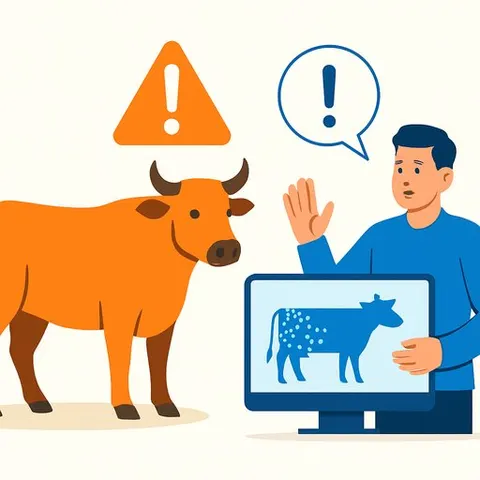
Alabama agriculture officials are warning cattle buyers that fraudsters are using AI-generated images to sell livestock that doesn't exist. The scams, which have already tricked buyers into traveling to pick up animals they never purchased, have crossed state lines and now target producers nationwide.
The Alabama Department of Agriculture and Industries (ADAI) issued the alert after receiving reports of fake social media profiles posing as legitimate cattle operations. These accounts advertise heifers for sale, complete with realistic-looking photos, and collect payment before the buyer discovers the operation had no knowledge of the transaction.
"Producers and buyers must remain diligent, verify who they are doing business with and take the necessary steps to ensure transactions are legitimate before purchasing," said Alabama Commissioner of Agriculture and Industries Rick Pate. "Protecting our livestock producers and buyers is critical to keeping the integrity of our beef industry strong and resilient."
How the scams work
Scammers create social media profiles that mimic real cattle operations, then post listings with artificially generated images. The photos look convincing at a glance, but the animals shown do not exist. Buyers who send deposits or full payments often realize the fraud only when they arrive at a physical location to collect cattle that were never for sale.
ADAI recommends buyers verify contact information, request references, and confirm an operation is legitimate before completing any financial transaction. The department is also asking state agriculture departments, farm bureaus, and cattlemen's associations to help spread awareness across the industry.
Spotting AI-generated cattle images
ADAI published a list of visual red flags that can help buyers identify fake photos before they lose money:
- Unnatural details, including misshapen bodies, missing tails, uneven legs, distorted faces, or irregular ear and nostril shapes.
- Backgrounds where fencing, grass, or barns appear warped, repeated, or unrealistic.
- An overly polished appearance that looks too perfect to be real.
- Blurry or uneven edges around the animal, particularly where it meets the background.
- Duplicate or reused images of the same animal appearing in multiple listings.
- A lack of photos showing the full herd, facilities, or handling areas.
- No identifying marks, such as brands, ear tags, or coloring that normally distinguish real cattle.
What to do if you suspect fraud
Anyone who suspects livestock fraud can report it to the Alabama Law Enforcement Agency's Rural Crimes Unit at 334-288-8328 or the Alabama Securities Commission at (334) 242-2984. ADAI emphasized that quick reporting can help authorities track patterns and warn other producers before they fall victim.
Why this matters for writers
AI-generated imagery is no longer confined to political deepfakes or consumer scams - it has reached commodity markets where real money changes hands based on a photograph. For writers covering agriculture, technology, or fraud, this story offers a concrete case study in how generative AI creates new vectors for old cons. The specific visual tells ADAI published - warped fencing, missing tails, too-polished coats - provide a checklist that translates directly into service journalism. The fraud also illustrates a broader pattern: as AI tools become cheaper and more accessible, verification skills shift from optional to essential in industries that never needed them before.