
AI news ·
Pr automation risks creating a junior talent gap in PR, industry survey warns
13% of students have reconsidered career plans due to AI, per a 2025 survey. In PR, automating junior work risks leaving the next generation of senior advisors without the fundamentals they need.
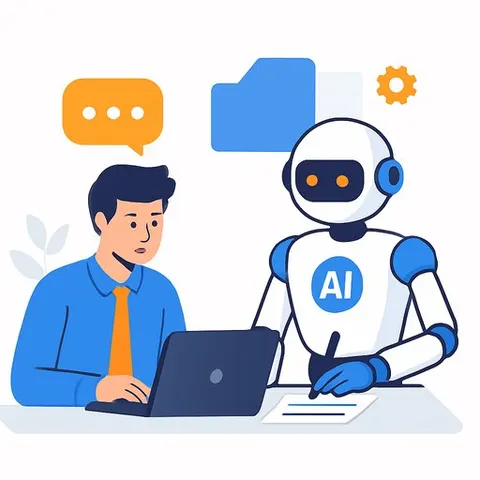
A survey from the author's former college asked how young people should prepare for careers in an AI-driven job market. Her advice: "Remember you're a human first, and don't lose yourself entirely to AI." It's a warning that applies directly to PR, where entry-level roles are shrinking and junior practitioners face pressure to lean on AI before they've learned the fundamentals.
A 2025 survey of students by Prospects and the Institute of Student Employers found that 13% had considered changing their career plans because of AI, with respondents calling for practical training to prepare them for work. For PR, the concern is specific: if AI handles the junior work, how will the industry develop its next generation of senior advisors?
The risk of automating the basics
The author, writing in her capacity at 8020 Communications, argues that early-career PR professionals still need the repetitive work that builds core skills. "Strong senior advisors can absorb criticism, exercise judgement under pressure, and keep moving even when the answer is unclear," she writes. "These aren't skills that are learned by chance - they're drummed into us through repetitive work at a junior level."
Tasks like building media lists, monitoring coverage, drafting first versions, researching journalists, taking notes, and fact-checking could all be automated. But doing them manually teaches what good looks like. It helps junior staff spot patterns, understand context, and learn from correction. Removing that experience to save time now could weaken the judgement that senior roles depend on later.
The author also expressed concern about critical thinking, noting that when she raised this at PRMoment's AI in PR Masterclass, the presenter replied that she must be a senior person to ask such a question and shouldn't worry about it. That response troubled her: "I know enough to question, but what about the people who are just starting out?"
What senior leaders should do now
The consensus from the masterclass was that PR and communications is still relatively early in its AI adoption. The author argues that senior leaders must decide where AI adds value and where it removes a learning opportunity. Junior staff should still draft press releases and articles from scratch, explain their thinking during feedback conversations, and understand what they got wrong and why it matters.
AI agents can support that process, but they shouldn't substitute for actual work experience. The author notes that today's junior practitioners will be making senior decisions in 15 years, and those who follow may have used AI throughout their education and working lives. The question is what kind of leaders that produces.
For those working in PR and communications, the takeaway is practical. Review your team's workflow and identify which tasks exist to produce output and which exist to build skill. If AI is removing the latter, consider how juniors will learn judgement, resilience, and attention to detail. Resources like AI Learning Path for Public Relations Specialists can help teams integrate AI thoughtfully, while AI for PR & Communications offers ongoing guidance for the industry. The goal is to use AI as a support tool, not a replacement for the experiences that create trusted senior advisors.