
AI news ·
AI reading tutor in New Mexico schools raises data privacy concerns
An AI reading tutor used in New Mexico schools has captured hundreds of thousands of student audio recordings, leaving parents and school leaders questioning how children's data is handled and secured.
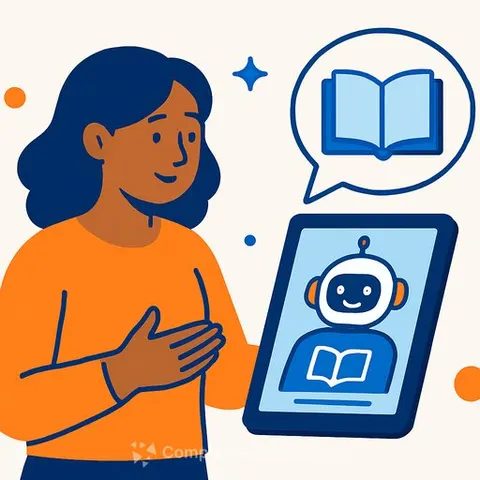
An AI reading tutor used in New Mexico schools has captured hundreds of thousands of audio recordings of students, and parents and school leaders are asking what the state is doing with children's data. The software, called Amira, is marketed as a tool that gives each student personalized reading feedback at a scale human tutors can't match.
What Amira does
Amira Learning, the company behind the tool, says its AI listens to students read aloud and responds to their mistakes in real time. The company argues this level of personalization would be impossible to replicate with human tutors alone.
Every session produces a recording. Across a school district, those recordings add up quickly - and the scale of that collection is what has alarmed some parents and school leaders in the state.
Parents and school leaders raise concerns
The volume of data has prompted questions about who can access the recordings, how long they are kept, and what they are used for. The concerns extend beyond privacy to the AI's behavior in the classroom.
Cassie Fleming's first-grade daughter came home from school last August complaining about Amira. "She doesn't let me finish my sentences - she doesn't listen," Fleming said her daughter told her.
That complaint captures a central tension: a machine making real-time judgments about a young child's reading, with no human in the loop to notice when something feels off.
What's at stake for schools
The New Mexico case is an early test of how AI for Education tools behave when they move from pilot programs to everyday classroom use. Amira offers clear benefits - consistency, instant feedback, and the ability to reach many students at once - but it also introduces risks that schools may not have policies for yet.
Teachers using tools like Amira need to understand how the systems work and what happens to the data they generate. An AI Learning Path for Teachers can help educators ask the right questions before a tool is adopted, rather than after parents start complaining.
Why this matters for education professionals
The situation in New Mexico shows that AI reading tools can collect far more data than a human tutor ever would. For teachers and administrators, the practical question isn't whether the technology works - it's whether the district has clear answers on data retention, parent consent, and what happens when the AI makes a mistake in front of a child.
Schools considering these tools should ask vendors specific questions before signing on: Where are recordings stored? Who has access? How long are they kept? And what is the process when parents object? The answers determine whether AI tutoring builds trust in the classroom or erodes it.