
AI news ·
Artificial intelligence chatbots built with clinician input deliver evidence-based behavioral health support
Clinician-built AI chatbots deliver evidence-based mental health support for specific patients. These tools use structured protocols to supplement, not replace, therapists.
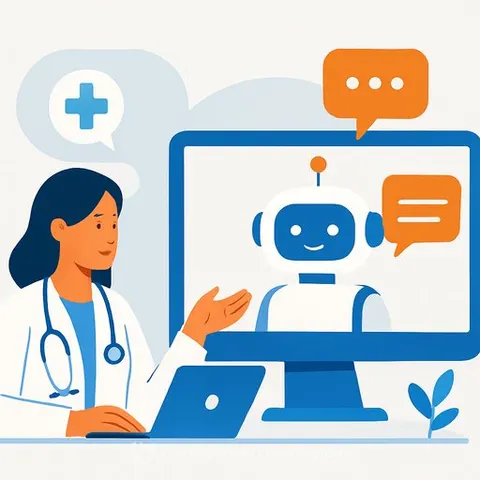
AI chatbots purpose-built for behavioral health care - and developed with direct input from clinicians - can deliver evidence-based support to specific patient populations, according to Megan Coder of the Society for Digital Mental Health.
The assessment, shared during a HIMSS TV segment on July 27, 2026, signals a maturing view of how artificial intelligence fits into mental health treatment pathways. Rather than positioning chatbots as replacements for human therapists, Coder described them as tools calibrated for defined use cases where structured, protocol-driven interactions produce measurable outcomes.
Clinician input as a design requirement
Coder emphasized that the chatbots showing real promise are those built alongside practicing clinicians, not engineered in isolation and handed off to care teams. That collaborative design process shapes everything from the language models used to the clinical guardrails embedded in the software.
The result, she said, is a class of tools that can extend the reach of behavioral health services without sacrificing the evidentiary standards that govern other medical interventions. This aligns with broader efforts across AI for healthcare, where clinical validation increasingly separates pilot projects from deployable solutions.
Where the evidence points
The phrase "certain patient populations" is deliberate. Coder's framing suggests these chatbots work best in scenarios with well-defined treatment protocols - think cognitive behavioral therapy exercises, medication adherence check-ins, or post-discharge follow-ups - rather than open-ended therapeutic conversations. The technology shows limitations when cases require nuanced clinical judgment or when patients present with complex comorbidities.
Digital mental health tools have faced scrutiny over the past several years as adoption outpaced published research. Coder's comments reflect a field that is beginning to distinguish between general-purpose AI assistants and purpose-built clinical tools backed by peer-reviewed evidence.
Safety and quality standards taking shape
The Society for Digital Mental Health has been active in developing frameworks that help health systems evaluate which tools meet clinical standards. Coder pointed to a growing body of research that validates chatbot-based interventions for conditions like mild to moderate anxiety and depression, where structured digital protocols can supplement traditional care models.
Quality and safety remain central to the conversation. Health systems assessing these tools are looking at factors like data privacy, integration with electronic health records, and clear escalation pathways when a patient's needs exceed what a chatbot can handle.
Why this matters for healthcare professionals
For clinicians and health system leaders, the takeaway is not that AI chatbots are ready for blanket deployment. It is that tools designed with clinical rigor for narrow, evidence-supported applications can address real gaps in behavioral health access - particularly in settings where wait times for human therapists stretch into weeks or months. The conversation is shifting from whether AI belongs in behavioral health to which specific problems it can solve safely and measurably.