
AI news ·
Artists vs. AI: Navigating Creativity, Ethics, and the Future of Art in a Tech-Driven World
Artists worry AI stifles originality and threatens livelihoods, yet it can aid creativity if used ethically. Human emotion and skill remain vital in art.
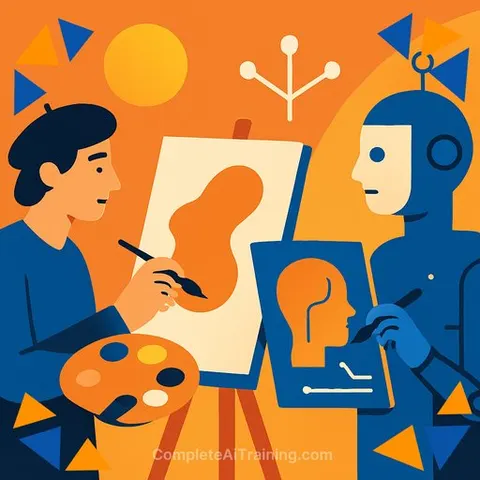
Artists Raise Concerns Over AI’s Impact on Creativity
Artificial intelligence (AI) is reshaping many aspects of daily life, offering tools that simplify tasks and save time. However, many artists feel threatened by AI’s growing presence in creative fields, arguing it can stifle originality and reduce opportunities for human creators.
The Inevitable Rise of AI in Art and Music
Charles Webster, organiser of Music in the Hills, acknowledges that AI’s involvement in art and music is unavoidable. What matters, he says, is how people respond to this shift. There will be benefits, but in a capitalist system, the harm to human creators might outweigh the gains.
Webster explains that while AI has taken over some basic, repetitive tasks previously done by human artists, creating complex, high-quality work still requires skilled human input. This distinction is critical for preserving artistic value.
Ethical Use of AI Is Crucial
Webster stresses that AI must be applied responsibly. If left unchecked, AI could reinforce existing social biases or generate new ones, deepening inequality. This is true in creative industries as well as other areas of life.
Sometimes, he argues, AI shouldn’t be used at all—especially when technologies operate in exploitative systems or worsen social problems.
AI’s Effects on Artists’ Livelihoods
Artists and musicians are already feeling the pressure. AI can now produce drawings, music, and other creative content with ease. While audiences have always consumed varying quality levels of art, the flood of AI-generated material threatens to overwhelm genuine human work.
Deepfake AI videos and fabricated images are becoming common on social media, further complicating the landscape for artists trying to maintain authenticity.
Real Stories from Creators
- Logan Naidoo has given up on pursuing art professionally. He cites declining pay and clients who prefer AI-generated images, asking him only to tweak these creations.
- Theshaya Naidoo, a PhD student specializing in emerging technologies, sees AI as a helpful tool for those with ideas but limited technical skills—like someone who hears a melody but can’t play an instrument. She supports AI as a bridge for creativity, but warns it should not replace human artists or flood platforms to the detriment of original work.
She highlights the unique value of human imperfection and emotion that AI cannot fully replicate. Her view is clear: AI should assist creativity, not compete with it.
What Creatives Should Keep in Mind
- AI can automate routine creative tasks, freeing up time for more complex work.
- Maintaining ethical standards is essential to prevent AI from deepening inequality or bias.
- Human creativity and emotional depth remain irreplaceable in producing meaningful art.
- Artists need to adapt to AI’s presence while advocating for fair opportunities and recognition.
For creatives looking to understand AI and its tools better, exploring courses on AI in creative fields can provide practical insights and skills. Resources like Complete AI Training offer courses tailored to different creative roles, helping artists navigate this evolving landscape.