
AI news ·
Bjorn Ulvaeus and UK Creatives Demand Tougher AI Copyright Laws to Protect Artists and Culture Industry
ABBA’s Bjorn Ulvaeus urges tougher AI regulations to protect artists’ copyrights from unchecked tech use. Transparency and consent are vital for creatives’ survival.
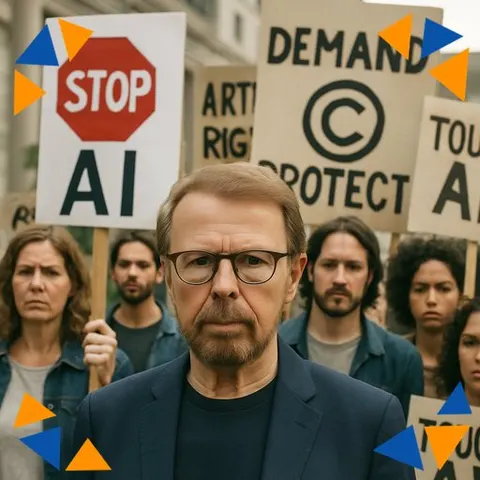
Bjorn Ulvaeus Demands Tougher AI Regulations to Safeguard Artists’ Copyrights
Bjorn Ulvaeus, the legendary singer from ABBA, has joined calls for stricter rules on AI companies that profit from artists’ work without proper compensation. Alongside MPs and industry leaders, he is urging the government to reconsider plans that would allow tech giants to use creative content freely unless artists actively opt out.
Current proposals from the Labour Party suggest granting Big Tech an “exception” to copyright laws, enabling them to train AI models on artists’ material unless creators explicitly refuse. Experts warn this would devastate the UK’s £126 billion cultural sector, which employs 2.4 million people, by giving Silicon Valley unchecked access to valuable creative assets.
Why Transparency and Consent Matter
Ulvaeus emphasizes that copyright is essential for artists’ survival. “Copyright is the oxygen creators depend on,” he said. He insists AI training must come with clear transparency rules, pushing back against tech companies who claim revealing their data sources is too difficult.
For years, AI firms have scraped art, music, and literature to train their algorithms without paying creators. While copyright laws currently protect artists and require compensation, recent government consultations leaned towards allowing AI firms to use this content by default, with an opt-out option for creators. This approach threatens to overturn copyright principles that have supported the creative industry for centuries.
The Industry’s Response and the Road Ahead
- The Mail has launched a campaign opposing these plans, supported by icons like Sir Elton John and Sir Brian May.
- Baroness Kidron, a film-maker and peer, highlighted the UK’s potential as a leader in supplying high-quality creative content for AI—if only transparency and accountability are enforced.
- Labour MP Samantha Niblett, co-chair of the parliamentary internet, communications, and technology forum, stressed that AI’s benefits rely on fair treatment of UK creators and a regulatory framework that doesn’t favour tech monopolies.
Government officials acknowledge the need to balance the interests of both the creative and tech sectors. Technology Secretary Peter Kyle said they want a solution allowing both to thrive, while Caroline Dinenage, chair of the culture, media, and sport committee, emphasized strong copyright laws backed by transparency to protect creators.
What Creatives Need to Know
If these proposals move forward, artists could find their work used without consent or fair reward, undermining the financial foundation of creative careers. Transparency about what content AI firms use is critical for holding them accountable and ensuring creators can negotiate licensing deals.
For creatives working in music, film, literature, or visual arts, staying informed about these legislative developments is crucial. The decisions made today will affect how your work is treated and valued in the AI-driven future.
For more on copyright and AI, the UK Intellectual Property Office provides resources on intellectual property rights. The World Intellectual Property Organization also offers insights into copyright protection worldwide.