
AI news ·
Can AI Enhance PR in the Middle East While Preserving the Human Connection?
AI is enhancing PR in the Middle East by automating tasks while preserving cultural nuance and human insight. Trust and relationships remain central in this evolving landscape.
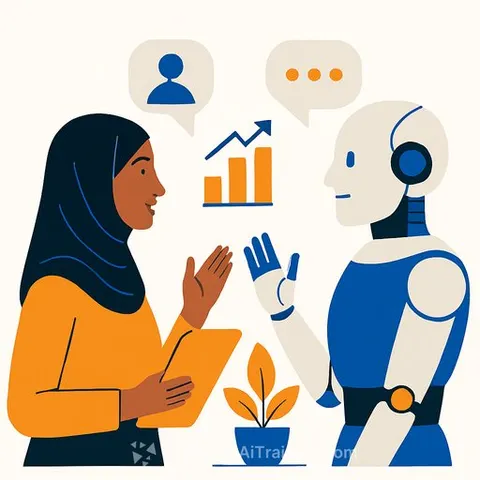
Can AI Transform PR in the Middle East Without Losing the Human Touch?
Artificial intelligence is now a part of daily life, and the communications sector is no exception. Across the Gulf Cooperation Council (GCC), AI is no longer a tool for experimentation; it is integrated into the daily workflow of PR professionals. However, in a region where trust, relationships, and cultural nuance remain crucial, AI is a helper—not a replacement.
Governments in the UAE and Saudi Arabia are committed to leading global AI innovation. The UAE’s National Strategy for Artificial Intelligence 2031 and Saudi Arabia’s Vision 2030 prioritize digital transformation. As these national ambitions grow, communications teams are adopting AI tools to keep pace with changing demands.
How AI Is Changing PR Work
AI helps PR professionals track media coverage instantly, detect shifts in public opinion, and predict stories likely to gain traction. It also streamlines the personalization of pitches to journalists, cutting down hours spent on manual research.
Translation technology has improved significantly, enabling rapid production of bilingual content. Still, especially with Arabic, AI-generated translations require careful human review to maintain the right tone and cultural sensitivity.
The Need for Human Insight
While AI is powerful, it often misses the nuances of language, culture, and emotion—elements that are critical in the Middle East. Mistakes such as mistranslations or culturally inappropriate phrases can harm relationships built over years. In a market where reputation is vital, attention to detail is essential.
Relationships are the foundation of business across the GCC. Clients and partners value trust, loyalty, and genuine connections. No AI algorithm can replace face-to-face meetings, shared conversations, or the instincts of an experienced communicator.
Data Privacy and Ethical Use
Data privacy is another important consideration. Laws like the UAE’s Personal Data Protection Law show that the region is serious about regulating data collection and use. PR teams that rely on AI must handle personal information carefully to maintain client trust.
The Upside of AI in PR
AI frees communicators from repetitive tasks, allowing more time for strategy, creativity, crisis management, and relationship building—areas that truly matter. Like any tool, its effectiveness depends on how well it is used.
The role of AI in GCC communications will continue to grow. Early signs include Arabic AI-generated video content gaining traction on social media and smarter reputation management tools that help brands address issues early. Companies are also beginning to prioritize ethical AI use—not just to comply with regulations but because trust remains their most valuable asset.
Looking Ahead: The Future of PR in the Gulf
AI will not replace PR professionals in the Middle East. However, those who master AI tools will outpace those who don’t. The future belongs to communicators who combine technology with human creativity and intuition.
The GCC has a unique opportunity. With forward-thinking leadership, ambitious national goals, and a young, tech-savvy population, this region can set a benchmark for blending AI and human storytelling. The future of communications here depends on using both together to craft stronger, smarter stories.
For PR professionals eager to sharpen their AI skills and stay ahead, exploring practical AI courses can be a valuable step. Resources such as Complete AI Training's latest courses offer tailored learning for communications specialists ready to integrate AI effectively.