
AI news ·
Canada implements digital health tools and connected records to modernize patient care
Canada is deploying 152 AI healthcare initiatives to fix fragmented patient records. The 2026 shift expands virtual care and tackles workforce shortages via connected data.
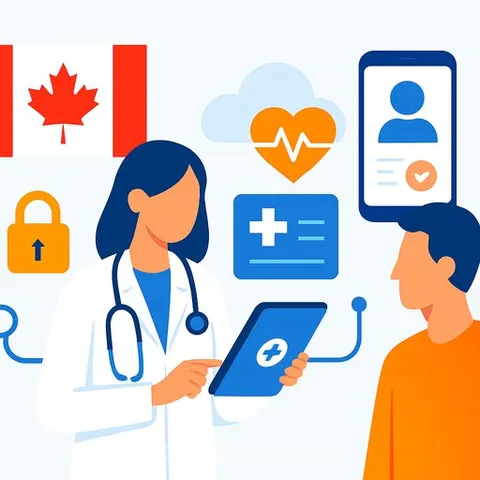
Canada's healthcare system is undergoing a major digital shift in 2026, as artificial intelligence tools, connected care legislation, and virtual care platforms reshape how patients access services and clinicians deliver care. The push aims to address workforce shortages, long waiting times, and an aging population while moving away from fragmented information systems that have long hampered efficiency.
Connected Care becomes a national priority
The Connected Care for Canadians Act, introduced this year, is designed to improve interoperability and secure data exchange between healthcare systems. The proposed framework requires digital health providers to adopt common standards, enabling health information to flow more easily across settings and jurisdictions.
For decades, patient records have sat in separate systems run by hospitals, primary care providers, laboratories, and specialist clinics. That fragmentation often leads to duplication, delays, and gaps in care. Canada Health Infoway, the federally funded organization driving healthcare digitization, said the goal of connected care is to "ensure the right healthcare professional has access to the right information at the right time." The organization has released a Connected Care Trust Framework and continues to advance national interoperability standards.
Artificial intelligence moves into clinical workflows
AI is no longer confined to research labs. A national review from Digital Health Canada identified 152 AI-driven healthcare initiatives operating across the country, with Ontario, Quebec, and British Columbia leading in concentration. Machine learning, computer vision, clinical decision-support systems, and natural language processing are among the most commonly deployed technologies.
Administrative burden remains a pressing challenge. AI-powered clinical note generation and "AI scribes" are being tested and implemented to reduce time spent on documentation, giving clinicians more time for patient care. Canada Health Infoway has named AI a strategic priority, including dedicated scribe programs and innovation initiatives aimed at clinically useful applications. As AI tools move from pilot to practice, understanding how to integrate AI for Healthcare becomes increasingly relevant for clinicians and administrators.
Virtual care and remote monitoring expand
Virtual consultations surged during the pandemic and have become a lasting part of Canada's healthcare model. Healthcare analysts report that significant numbers of Canadians continue to access care remotely, reflecting growing comfort with digital consultation models. For a country with vast geographic distances and many rural and remote communities, virtual care helps address longstanding accessibility challenges.
Remote patient monitoring is also advancing quickly. Connected health devices-blood pressure monitors, glucose sensors, cardiac monitoring systems, and wearables-let providers track patients outside traditional clinical settings. The model moves healthcare toward continuous monitoring and preventive intervention. Combined with AI-driven analytics, remotely generated health data can help clinicians spot deterioration earlier and intervene before hospitalization becomes necessary.
Public and private sector ventures
Canada's digital health sector is no longer limited to government-led efforts. A growing ecosystem of startups, technology companies, and research institutions is helping advance innovation. The Canadian digital health market continues to expand, supported by government programs, strong academic research, and rising demand for healthcare innovation.
To spur future development, Canada Health Infoway launched its 2026 Innovation Pitch Competition, encouraging technologies focused on interoperability, digital health access, artificial intelligence, and health equity.
Challenges persist
Interoperability remains inconsistent across jurisdictions. Privacy and cybersecurity concerns require careful management. Many AI projects are still in pilot phases rather than widespread deployment, and healthcare providers need training to use new tools effectively. Digital equity concerns are also important, particularly for Indigenous communities, rural populations, and elderly patients.
Why this matters for healthcare professionals
The digital transformation underway means clinicians, administrators, and allied health workers will increasingly encounter AI-powered tools and connected care systems in daily practice. AI scribes and decision-support platforms are already entering clinics, and interoperable records are set to become a regulatory requirement. Professionals who build familiarity with these tools now-understanding how they work, where they add value, and what their limitations are-will be better prepared as the technology spreads. Those who ignore the shift risk falling behind in a system that is actively redesigning itself around data sharing and automated assistance.