
AI news ·
Concerns over patient-clinician interaction drive rational fears of AI in healthcare
Motics expert Alex Fairweather warns AI adoption in healthcare risks disrupting patient-clinician interactions. Automated tools cannot replace face-to-face care.
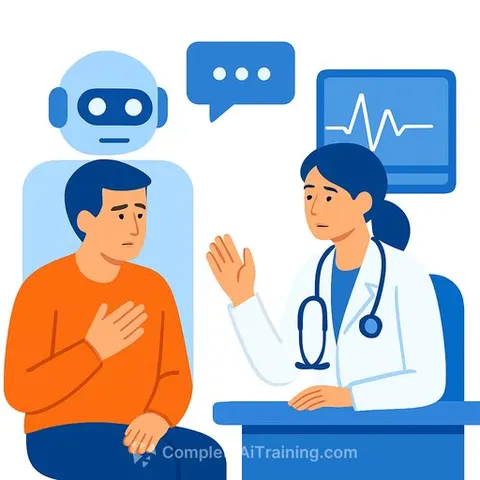
On June 15, 2026, industry experts highlighted growing concerns over the widespread adoption of artificial intelligence in clinical settings, citing direct risks to patient-clinician interactions. Alex Fairweather of Motics argues that the sector's hesitation is rational, as digital tools cannot substitute for direct human care.
The reality of patient-clinician interaction
Fairweather points out that while AI is already changing healthcare workflows, it introduces friction in patient care. He notes that "Electric communication will never replace the face of someone," highlighting the inherent limitations of digital diagnostics and automated records. As organizations evaluate AI for Healthcare, the priority remains balancing technological efficiency with the human elements of diagnosis and treatment.
Readiness for widespread adoption
The healthcare sector faces a steep learning curve before deploying these systems at scale. Fairweather questions whether current infrastructure and staff training can support a widespread shift in clinical operations. Medical documentation processes, in particular, require careful handling to maintain accuracy and patient trust.
For professionals managing clinical data, exploring an AI Learning Path for Medical Records Clerks provides a structured way to understand these new documentation tools. Teams that learn these workflows can better integrate automation without sacrificing data integrity.
Why this matters for healthcare professionals
Clinicians and administrators must evaluate AI tools based on their actual effect on patient outcomes, not just operational speed. Understanding the boundaries of automated systems helps teams deploy technology without compromising the quality of face-to-face care. Staff should demand clear guidelines on when human oversight is mandatory during patient encounters.