
AI news ·
Copyright lawsuits create new legal risks for companies using AI
Copyright lawsuits over AI training data are forcing companies to audit their tools. Businesses face significant legal and financial risks without strict internal governance.
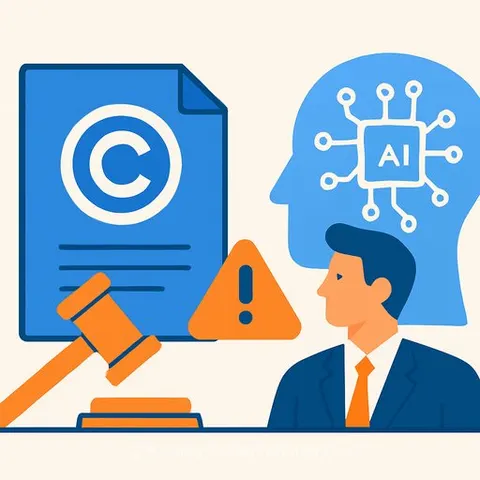
A new wave of copyright lawsuits filed by media organizations and content owners against major AI developers is forcing companies to reevaluate their technology investments. Legal experts warn these cases will define the rules for AI development and expose businesses to significant legal and financial risks if they fail to audit their AI tools.
Expanding litigation and vendor risk
Media organizations and content owners intensified lawsuits this week against major AI companies over training data practices. Developers also face new claims regarding the unauthorized use of copyrighted music and creative works. Many businesses assume purchasing an AI platform shields them from these legal concerns. Courts determining what qualifies as legal training data could force software vendors to alter their products, increase licensing fees, or restrict specific capabilities.
Internal compliance and IP protections
Companies building their own systems face greater exposure if they train models using unauthorized documents, images, videos, or audio. Business leaders must treat AI governance with the same rigor as data privacy. This requires reviewing current AI tools and asking vendors exactly where their models obtain training data. Employees should avoid uploading confidential or copyrighted materials into public systems without understanding the platform's terms. Corporate counsel can review AI for Legal guidelines to build internal usage policies and ensure compliance.
Strategic shift in AI adoption
AI adoption continues across industries, but the legal framework remains incomplete. The companies that benefit most over the next decade will be those that integrate the technology responsibly while minimizing compliance risks. Legal teams and patent professionals must understand how intellectual property laws apply to machine learning, and an AI Learning Path for Patent Agents provides structured education on intellectual property analysis.
Why this matters for legal professionals
In-house counsel and compliance officers must audit vendor contracts for intellectual property indemnification and data usage terms. Treating AI governance as a core business strategy prevents costly litigation and protects proprietary company data. Legal departments should draft clear internal policies that dictate how employees interact with generative AI tools.