
AI news ·
Embodied AI robots help language learners practice conversation and cut screen time
Schools are deploying embodied AI robots in classrooms to cut student screen time and boost spoken language practice through physical, adaptive dialogue.
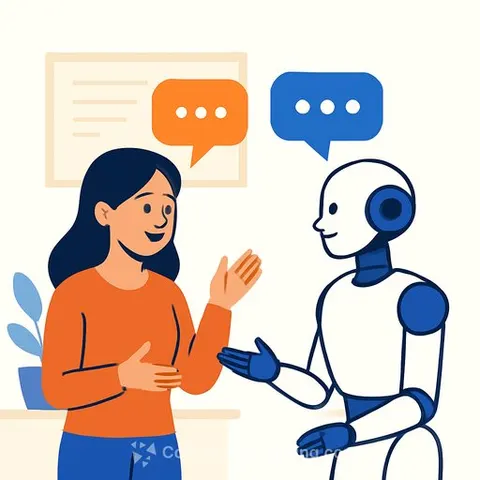
Interactive embodied AI robots are being introduced in classrooms to reduce student screen time while giving language learners more opportunities for conversation practice. The robots combine physical presence with AI-powered dialogue, allowing students to practice speaking in a more natural, interactive format than traditional screen-based apps.
The approach addresses a growing concern among educators: while digital language tools offer convenience, they often keep students staring at screens for extended periods. Embodied robots, by contrast, bring a physical element into the learning process, which developers say encourages more spontaneous and sustained verbal interaction.
How the robots work in practice
The robots are designed to engage students in guided conversations, adapting to their language proficiency level in real time. Rather than presenting multiple-choice exercises or text-based prompts, the robots respond to spoken input, creating a back-and-forth dialogue that more closely mirrors human conversation.
For language learners, this format targets a specific weakness of app-based study: the gap between recognizing written words and producing spoken language under conversational pressure. The physical presence of a robot also changes the social dynamics of practice, making it feel less like testing and more like interaction.
Screen time concerns in education
Schools have been wrestling with rising screen time as digital tools become central to instruction. The introduction of embodied AI robots offers one possible path for educators who want to preserve the benefits of AI-driven personalization without adding more hours in front of displays.
For teachers exploring how to integrate AI into their classrooms, the distinction between screen-based and embodied tools matters. AI for Teachers resources typically focus on software and platforms, but physical AI systems represent a different category of classroom technology with its own training requirements and classroom management considerations.
What this means for language instruction
The shift toward embodied AI in language education reflects a broader push to make AI tools more conversational and less transactional. As these systems improve, they may take on a larger role in oral practice sessions, freeing teachers to focus on advanced instruction and cultural context.
Educators evaluating these tools should consider how they fit into existing curricula and whether the conversational practice they provide complements, rather than replaces, human-led instruction. The robots are not positioned as substitutes for teachers but as practice partners that give students more speaking time than a single instructor can provide.
Why this matters for education professionals
For teachers and administrators, the arrival of embodied AI robots signals that AI in education is moving beyond software dashboards and grading tools. AI for Education now includes physical systems that change classroom dynamics, student engagement, and the way practice time is structured. Schools considering these tools will need to evaluate not just their language-learning effectiveness, but also their cost, durability, and the training required for staff to use them well.