
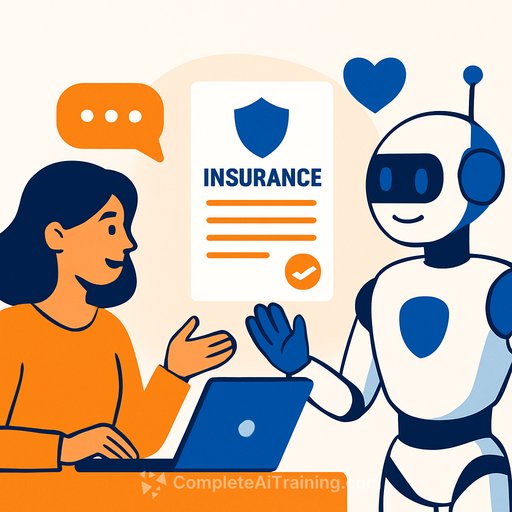
Empathy Meets Automation: Humanizing AI in Claims
When disaster strikes, what matters most – speed or support? The moments that bring someone into contact with an insurer are often deeply personal—a car crash, a fire, a serious injury, or the sudden loss of a loved one. In these times, people aren't focused on how efficient the process is; they want clarity, reassurance, and to feel that someone is truly in their corner.
However, the speed and smoothness of the insurance process can influence the emotional toll it takes—either easing the burden or adding to the stress. AI technologies have transformed claims processing and underwriting, making operations more efficient. Yet, these systems often lack the empathy and emotional intelligence needed when dealing with sensitive situations.
A recent KPMG study found that three in five people are cautious about trusting AI, and 71% expect AI to be regulated. To fully benefit from AI, insurers must go beyond efficiency. AI-driven processes need to enable fair, accurate decisions while also conveying empathy and support to policyholders and claimants.
Empathy in Claims and Disaster Recovery
Globally, 76% of insurers use AI to automate at least one business function and enhance customer service. But are ethical standards being met? AI can speed up claims, but often misses the emotional impact these interactions have on customers.
Consider recent natural disasters like the LA wildfires and violent storms on the East Coast. Customers affected by such events rely on insurers for more than quick transactions—they seek guidance through fear and loss. When AI is part of the claims process, blending technology with human empathy makes a significant difference.
AI systems are improving in recognizing and responding to human emotions. For example, AI-powered call centers can analyze a caller’s voice in real time to detect distress and adjust responses accordingly. AI can also analyze the entire property and casualty (P&C) claims process to identify where emotional intelligence can enhance customer experience.
- First Notice of Loss: AI detects distress levels and routes urgent cases to human representatives.
- Claims Assessment: AI chatbots provide real-time updates, reducing anxiety and offering reassurance.
- Damage Evaluation: AI accelerates inspections by analyzing images and sensor data from smartphones, drones, and connected devices. It cross-references historical data against repair cost databases, freeing human adjusters to focus on complex cases. For bodily injury or workers compensation claims, AI can summarize medical records and flag urgent conditions, enabling faster, compassionate responses.
- Resolution: AI follows up with personalized messages to support the customer experience.
Claimants deserve to feel understood from their first interaction through to resolution. The key is balancing speed with sensitivity.
Artificial General Intelligence: The Future of Insurance
As AI advances, insurers can use adaptive engagement tools that adjust responses based on customer sentiment. These developments point toward Artificial General Intelligence (AGI), which can learn and make decisions across many insurance functions—from underwriting to claims and customer service.
Unlike traditional AI programmed for specific tasks, AGI can adapt its communication style to human psychology and provide emotional support throughout the claims process without sacrificing efficiency. Insurers exploring AGI carefully will be better equipped to meet rising customer expectations and deliver more human-centered service.
Trust, Transparency, and Ethical AI Use
Trust is crucial in insurer-customer relationships. It can quickly erode if AI decisions feel biased or opaque. Insurers need clear, transparent practices around AI use and ensure customers understand how decisions are made.
Ethical AI means regularly auditing algorithms for bias and carefully vetting training data. Maintaining transparency and welcoming feedback helps preserve the human touch, reduces reputational risks, strengthens loyalty, and boosts competitiveness.
Enhancement, Not Replacement
AI is streamlining insurance operations and driving innovation. Yet, its true value lies in enhancing the human touch, not replacing it. Prioritizing empathy, transparency, and care allows insurers to use AI as a tool that improves outcomes for both business and customers.
In claims, where trust and timing matter most, those who combine AI with human-centered values will resolve cases faster and more accurately. This approach builds stronger, lasting relationships and positions insurers to succeed in digital transformation.