
AI news ·
From Viral AI Art Trends to Artist Rights: Balancing Creativity, Ethics, and Energy Concerns
AI art trends like Ghibli-style portraits and Barbie starter packs are viral but raise concerns about authorship, copyright, and environmental impact. Artists stress human creativity and intentionality remain essential.
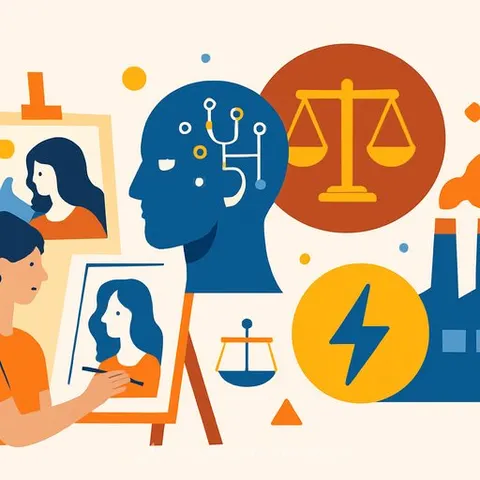
From Ghibli to Barbie: The Viral Spread of AI-Generated Art and What It Means for Artists
AI-generated art trends have taken social media by storm, starting with portraits inspired by Studio Ghibli’s unique animation style and more recently with “Barbie Doll” starter packs. These eye-catching creations are easy to produce and share, but behind the viral appeal lies a serious conversation about authorship, artistic labor, and the true cost to creators.
Why Human Input Still Matters
Artist Isabel Yong, an art major at Concordia University in Montreal, emphasizes that AI cannot generate art without human engagement. For her, art is the result of deliberate choices shaped by personal experience and emotional investment. “AI can’t make art that we enjoy without human engagement,” she says. The value of art, according to Yong, is found in the intentional decisions an artist makes over time.
Yong’s perspective reflects a broader concern: AI-generated images may replicate styles quickly, but they lack the depth that comes from an artist’s lived experience and creative process.
The Viral Ghibli-Style Portraits and Barbie Starter Packs
Earlier this year, Instagram saw a surge in Ghibli-style AI portraits, where users uploaded selfies and received images resembling characters from films like “Spirited Away” or “Howl’s Moving Castle.” Platforms like OpenAI’s ChatGPT powered these transformations, making it accessible to anyone with a smartphone.
More recently, the “Starter Pack” or “Barbie Box” trend emerged, with AI reimagining users as dolls surrounded by personalized accessories. The hashtag #starterpack gained popularity rapidly, drawing attention to AI’s role in creative expression.
Ethical Concerns and Copyright Issues
These trends raise important questions about copyright, especially since Studio Ghibli’s style is distinct and protected. OpenAI’s CEO, Sam Altman, has acknowledged these copyright concerns but believes AI’s ability to broaden access to creative tools is ultimately beneficial.
However, many artists feel uneasy. The replication of iconic styles without proper credit or compensation can undermine the original creators’ rights and efforts.
Choosing Traditional Art in an AI Era
Montreal artist Jamie Paige chose to hand-draw her “doll” character using digital tools instead of relying on AI. “It could have taken seven seconds with AI, but all the charm, character, and personality would have been missing,” she explains. Paige highlights the importance of intention and process, reminding us that many artists feel frustration and fear about AI’s impact on their livelihoods.
Similarly, Isabel Yong draws a clear distinction between using AI as a tool to enhance a vision and outsourcing the creative process entirely. “If you’re just putting in one prompt and letting the AI take over, there’s very little of you in it,” she says.
Holly King, a painter and Concordia professor, stresses that the general public often misunderstands the artistic process. “Most people think it is a quick fix, whereas the reality is that it can be a slow and frustrating experience to use AI in a satisfactory way,” she notes.
Energy Consumption and Privacy Risks
Beyond creative concerns, AI-generated art also brings environmental and privacy issues. Astrid Rousselin, an artist and marketing professional, was struck by how energy-intensive generating a single AI image can be. With some AI data centers consuming as much electricity as 100,000 households, the environmental impact is significant.
Privacy is another overlooked dimension. Toronto Metropolitan University professor Geoffery Lachapelle warns users to be cautious about what data they upload. Since AI platforms often retain uploaded information to improve their models, personal photos and details could be stored indefinitely, raising data security questions.
What Creatives Should Keep in Mind
- AI art tools can be helpful but should complement, not replace, the creative process.
- Respect for original artists and their styles is essential to maintain artistic integrity.
- Consider the environmental impact and data privacy risks when using AI platforms.
- Continuing to develop and showcase individual creative skills remains crucial.
For artists and creatives interested in learning more about AI tools and how to integrate them responsibly into their workflows, exploring AI prompt engineering courses can be a great start.
Balancing the convenience of AI with thoughtful artistic practice will shape how creative industries evolve in the coming years.