
AI news ·
Georgia Experts Warn Unregulated Medical AI Could Deepen Health Disparities Amid Provider Shortages
Georgia's healthcare AI must be regulated to prevent bias and worsening disparities, especially in maternal health. Diverse data and equity-focused development are crucial.
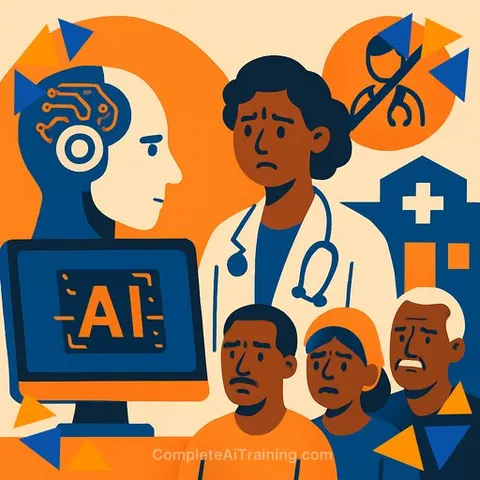
Georgia Experts Warn: Medical AI Without Oversight Could Worsen Health Disparities
Georgia faces a critical shortage of healthcare professionals, with 143 out of 159 counties experiencing provider deficits. The state will need an additional 8,000 doctors by 2030 to meet demand, according to the Cicero Institute.
Artificial intelligence (AI) is being introduced in healthcare to ease pressure on overwhelmed providers by automating administrative tasks and supporting faster diagnoses. AI tools are already assisting in areas like mammogram analysis and real-time surgical decisions.
Risks of Biased AI in Healthcare
AI holds promise, but experts warn it can perpetuate existing problems if left unregulated. Much of the medical data used to train AI systems originates from white physicians treating white patients, which risks creating biased or incomplete results for patients of color.
Jessica Roberts, a law professor at Emory University, points out that without diverse and representative training data, AI may replicate human biases. This concern is especially relevant amid ongoing health crises affecting minority communities.
Impact on Maternal Health Disparities
Georgia’s maternal mortality rates highlight the stakes. Black women in the state die from pregnancy-related causes at nearly three times the rate of white women. Studies show their pain is often dismissed, leading to delayed care. Communication difficulties between doctors and patients from different cultural backgrounds further complicate treatment.
Dr. Cecil Bennett emphasizes that while Latino and African American populations make up about 35% of the U.S., they represent only 7% of healthcare providers. This gap can contribute to inequities in care and outcomes.
Calls for Stronger AI Regulation and Equity
Advocates urge stricter oversight to ensure AI tools are developed with equity in mind and trained on diverse datasets. Ensuring AI reflects the populations it serves is vital to prevent worsening disparities.
Roberts stresses the responsibility of AI developers to create algorithms that work fairly for all patients. Without this, AI risks reinforcing the very problems it aims to solve.
- Georgia’s healthcare workforce shortage is severe and growing.
- AI can assist but must be carefully regulated to avoid bias.
- Maternal mortality disparities highlight urgent risks.
- Diverse data sets and equity-focused development are essential.
Healthcare professionals interested in how AI can be applied responsibly and equitably in their field may find valuable resources and training at Complete AI Training.