
AI news ·
Harnessing AI to Predict and Prevent Heart Failure: A Breakthrough in Equitable Healthcare
Assistant Professor Blessing Ogbuokiri develops AI to predict heart failure risks, aiming for fair, quick assessments that support early intervention and reduce healthcare disparities.
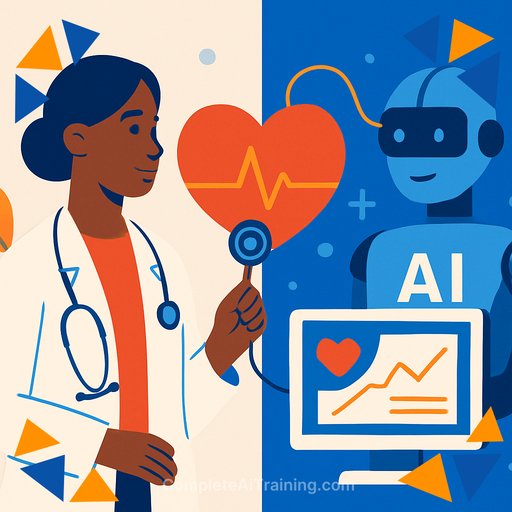
Harnessing AI for Heart Failure Assessment
Assistant Professor Blessing Ogbuokiri from Brock University is developing an artificial intelligence model designed to predict the likelihood of hospital admission or death among older heart failure patients. This project was born from a personal experience—after losing his mother to a heart condition, Ogbuokiri committed to creating technology that supports patients facing similar risks.
Ogbuokiri, who leads Brock’s Responsible and Applied Machine Learning Laboratory (RAML Lab), is leveraging machine learning to analyze complex health data. His team recently received funding through the Black Scholar Research Grant to advance this work, which holds direct relevance to aging populations, such as those in the Niagara region.
Building Predictive Models from Diverse Health Data
The team is training their model using data from the Canadian Longitudinal Study on Aging. This dataset includes variables like medical history, smoking habits, physical activity, socioeconomic status, and chronic conditions such as diabetes. By identifying patterns within these variables, the AI can estimate a patient’s risk—for example, indicating a 50% chance of heart failure and potential hospitalization.
Such predictive ability could provide a straightforward risk assessment tool for patients and healthcare providers. In practice, it would deliver rapid insights “at the click of a button,” allowing earlier intervention or encouraging lifestyle changes like quitting smoking or increasing exercise.
Addressing Bias and Equity in Health AI
Ogbuokiri’s project also tackles an important challenge in AI-driven healthcare: bias. Machine learning models often inherit existing prejudices from their training data, which can lead to underestimating risks for marginalized groups, including Black and low-income patients. This underprediction can delay critical care and worsen health disparities.
To combat this, the team applies bias mitigation techniques during data preprocessing and carefully evaluates model fairness across demographic groups. Their goal is an equitable tool that improves access to early treatment for all patients, regardless of background.
The Practical Promise of AI in Heart Failure Care
- Quick and accessible risk assessment for patients and clinicians
- Encouragement of preventive lifestyle changes based on personalized risk
- Reduced strain on healthcare systems through proactive patient management
- Fair and unbiased predictions to support equitable healthcare delivery
This work exemplifies how AI can move beyond theoretical models to practical applications that improve patient outcomes and healthcare efficiency. For more on the challenges and techniques in reducing AI bias in medicine, see resources from the npj Digital Medicine journal and the Office of the National Coordinator for Health IT.