
AI news ·
Harvey improves legal drafting with GPT-6 Astra's structured outputs and attorney preferences
Harvey integrated GPT-6 Astra into its legal drafting platform, cutting manual formatting work by surfacing cleaner headings, citations, and structure from larger case files in one pass.
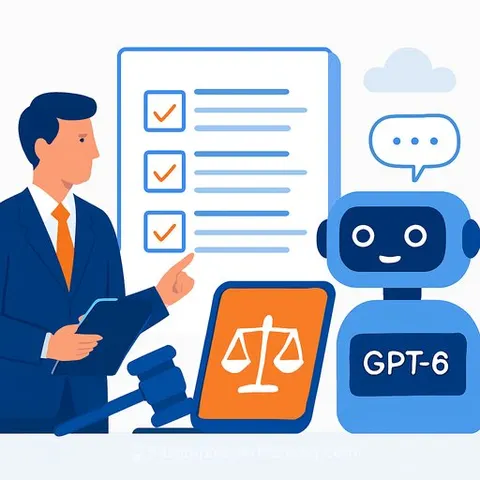
Harvey, a legal AI startup, has integrated GPT-6 Astra into its drafting platform, delivering documents with substantially better formatting and context awareness. The upgrade lets law firms and in-house teams generate more complete legal memoranda while spending less time on structural revisions.
The move matters for any professional who drafts complex documents under tight deadlines. GPT-6 Astra processes larger volumes of source material in a single pass, pulling from court records, case law research, and a firm's own internal documents to produce outputs that reflect the full matter file, not just the most recent prompt.
Stronger structure without extra prompting
Harvey customers have reported that documents drafted with GPT-6 Astra arrive with cleaner formatting out of the box. Headings, numbered lists, and citation blocks appear where they should, reducing the manual cleanup that often follows AI-generated drafts. The model's ability to hold more context means it can weigh multiple sources simultaneously, surfacing relevant precedent even when it was buried deep in the research stack.
"We can give more context to the model and produce better and better structured outputs," said Gabe Pereyra, Cofounder and President of Harvey. The improvement is not cosmetic - better structure translates directly into faster review cycles and fewer missed arguments.
Encoding lawyer preferences into the workflow
Harvey's memory panel lets individual lawyers set standing instructions that travel with every draft. A litigator can specify that all memoranda use numbered lists, prioritize EDGAR filings as a primary source, or apply color coding to flag issues by severity. These preferences sit visibly alongside the source material and the draft itself, giving the lawyer a direct lever on tone and organization without rewriting the prompt each time.
Because GPT-6 Astra can ingest those preferences alongside the full case record, the output arrives closer to the lawyer's preferred format on the first attempt. The result is less time spent formatting and more time spent on strategy - the work that actually requires a law license.
Why this matters for legal and writing professionals
For paralegals, associates, and anyone producing high-volume legal drafts, the gap between a usable first draft and a polished final product shrinks considerably. Professionals who want to build these skills can explore structured learning paths such as AI Legal Assistant Courses or browse AI for Legal Professionals Courses to understand how tools like Harvey fit into modern practice. The takeaway is practical: when the AI handles formatting and context retrieval, the human handles judgment - and that is where the billable value lives.