
AI news ·
How AI and Automation Are Transforming Parking Operations with ExpressLane and LPR Technology
AI-powered tools like Automation, ExpressLane, and License Plate Recognition streamline parking management by reducing manual tasks. This boosts accuracy, speeds up vehicle flow, and improves resource use.
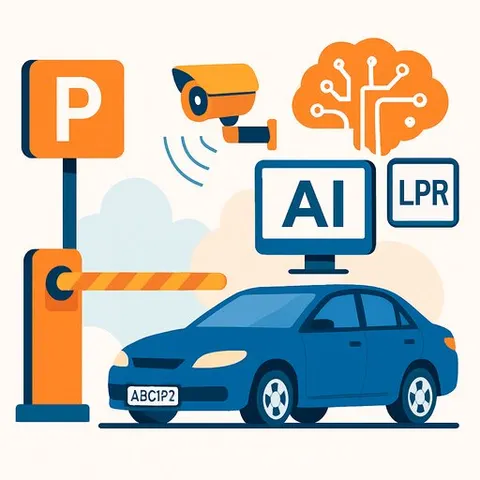
Optimizing Parking Operations with AI and Automation
For operations professionals managing parking facilities, efficiency and accuracy are key. Integrating AI-powered solutions like Automation, ExpressLane, and License Plate Recognition (LPR) technology can streamline parking management and reduce manual workload.
How AI Enhances Parking Operations
Automation tools enable parking systems to process data quickly and accurately. By using AI algorithms, these systems can handle tasks such as entry and exit management, fee calculations, and occupancy tracking without human intervention.
- ExpressLane: Facilitates faster vehicle movement by automating access control, reducing wait times.
- LPR (License Plate Recognition): Captures and processes vehicle plates automatically, improving security and speeding up validation.
- Data Integration: Combining data from multiple sources like Get My Parking enhances decision-making and operational insights.
Benefits for Operations Teams
Implementing AI-powered parking systems leads to smoother workflows and improved resource allocation. Teams can focus on higher-value tasks while routine operations run efficiently in the background.
- Reduced human error in ticketing and billing
- Improved customer experience with faster entry and exit
- Real-time monitoring of parking space availability
- Data-driven reporting to optimize facility usage
Operations professionals interested in expanding their skills with AI and automation can explore practical training options. For comprehensive courses on AI tools and automation relevant to operations roles, visit Complete AI Training - Courses by Job.
Integrating AI into parking management is a straightforward way to increase efficiency and improve operational outcomes. Leveraging these technologies helps teams manage facilities with greater precision and less manual effort.