
AI news ·
How AI and Data Are Transforming Traditional HR Practices for a Smarter Workforce
AI is transforming HR by automating tasks and enabling data-driven decisions. Predictive tools improve recruitment, performance reviews, and employee engagement while keeping a human touch.
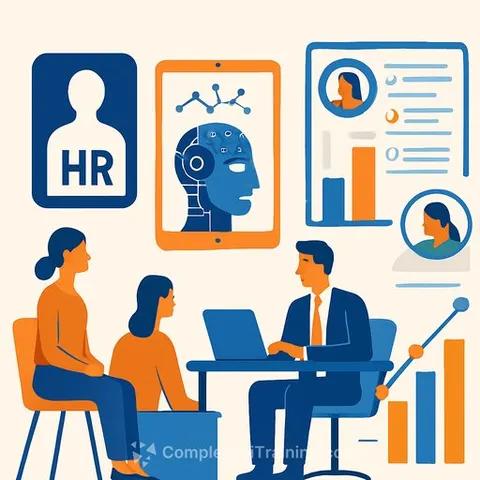
How AI and Data Are Changing Traditional HR Practices
Artificial Intelligence (AI) has moved from future theory to a core strategy for transforming organizations. Human Resources Management (HRM) is among the sectors experiencing significant change. Companies are revisiting how they attract, retain, and develop talent by leveraging AI technologies. Predictive AI tools are critical in this shift, helping organizations make decisions backed by data.
This article explores how AI is reshaping HR, disrupting old practices, creating new opportunities, and what challenges lie ahead.
Why AI Matters for HR
Businesses increasingly focus on specialized services, and predictive AI offers powerful tools for change. A 2023 Deloitte poll found that 80% of companies see AI as key to HR’s future. But what does AI in HR really mean?
HRM focuses on managing people so their goals align with business objectives. Traditionally, HR relied heavily on manual processes for recruiting, screening, and engaging talent—often slow and prone to bias such as favoritism.
AI brings automation, analytics, and predictive capabilities to HR. This means HR professionals can shift their focus from administrative tasks to strategic work. Automated resume screening and forecasting tools now replace many traditional HR methods. According to a PwC report, predictive AI can boost productivity by up to 40% while reducing errors by 25%.
Major Ways AI and Data Are Transforming HR
AI and data impact every stage of the employee lifecycle—from recruitment to ongoing development. Here are some key changes:
Data-Driven HR with a Human Touch
While AI can improve efficiency, it shouldn’t replace the human side of HR. The best AI applications support people by enhancing decision-making and process improvements. Maintaining the “human” in Human Resources is essential. AI tools should amplify HR professionals’ work, not eliminate it.
The Rise of Smart HR
Smart HR means using data, analytics, and AI strategically to improve decisions, streamline operations, and enhance employee experiences. Technologies like machine learning and natural language processing automate routine tasks and provide actionable insights. This leads to better internal processes and more personalized, engaging experiences for employees.
Performance Reviews That Actually Work
Annual performance reviews are fading because they often miss the mark. AI enables real-time performance tracking, goal setting, and instant feedback. This helps employees understand how they’re doing continuously rather than waiting months. Managers gain clearer insights into their teams’ strengths and areas for growth, making performance management more effective and less stressful.
Personalized Learning and Development
Employees have diverse learning needs. AI can analyze career goals, past learning, and performance to recommend specific training paths. This replaces generic programs with learning experiences that truly support employee growth, benefiting both individuals and the company.
Accurate Payroll and Benefits Management
Payroll errors cause frustration and extra work. AI automates tax deductions, benefits processing, and salary calculations to ensure accuracy and timeliness. It also personalizes benefits by analyzing usage patterns, helping employees receive the options that fit their needs best.
Boosting Employee Engagement and Motivation
Employee motivation can be hard to gauge. AI monitors feedback and work patterns, detecting early signs of burnout or disengagement. For example, if a usually high-performing employee’s output drops, AI can alert HR to intervene early—whether that means adjusting workloads or offering support—before the situation worsens.
Better Workforce Planning
Predicting future hiring needs and skill gaps is tough. AI analyzes historical data, business trends, and industry shifts to forecast workforce requirements. This helps HR prepare proactively instead of scrambling last minute to fill roles.
Challenges to Watch
AI in HR isn’t flawless. One major concern is data privacy—employees want assurance their personal data is safe. Over-reliance on AI risks losing the human judgment that’s core to HR. The key is balance: use AI to support HR professionals, not replace them. Transparent, thoughtful AI adoption builds trust and improves outcomes.
The Future: Collaboration Between AI and HR Professionals
AI isn’t here to take HR jobs but to make HR smarter. By automating repetitive tasks, HR teams can focus on what truly matters: employee well-being, culture, and long-term success. Companies that embrace AI will adapt more easily, while those that don’t may fall behind. Predictive AI is reshaping HR—making it more efficient, data-driven, and human-centered.
For HR professionals interested in deepening their AI knowledge and skills, exploring courses on Complete AI Training can provide practical insights and tools relevant to today’s workplace.