
AI news ·
How AI-Driven Digital Twins Enhance Manufacturing Efficiency and Operational Excellence
AI-driven digital twins combine real-time data and simulation to optimize manufacturing and operations. They enable smarter decisions, reduce costs, and speed product development.
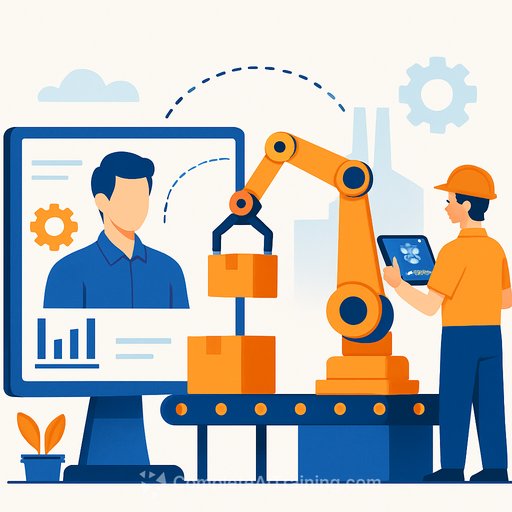
AI-Driven Digital Twins: Transforming Manufacturing and Operations
Manufacturing and operations are changing fast thanks to advances in artificial intelligence (AI) and simulation software. At the heart of this change is the digital twin—a virtual model of a physical asset, system, or process. When AI is combined with digital twins, it unlocks new ways to simulate, analyze, and optimize operations, improving design, production, and maintenance.
AI-Driven Twins Enable Real-Time, Predictive Insights
A digital twin mirrors a physical object or system using real-time data from sensors and IoT devices. This creates a live virtual environment where teams can simulate operations, monitor performance, predict outcomes, and adjust processes. Adding AI makes these twins smarter—they learn from data, adapt to changes, and help drive ongoing improvements.
AI Enhances Digital Twins for Smarter Manufacturing
The Role of Simulation in Digital Twins
Simulation software is the backbone of digital twin technology. It lets engineers create virtual models that mimic real-world conditions, allowing them to test and analyze how systems behave. With AI, simulations can process vast amounts of data, spot patterns, and provide actionable insights. For example, a digital twin can replicate an entire production line from raw materials to finished goods, while AI helps optimize workflows, reduce waste, and keep product quality steady.
Benefits of AI-Driven Digital Twins with Simulation Software
- Real-Time Monitoring: Track operations instantly and use predictive analytics to make faster, smarter decisions.
- Operational Insights: Gain deep understanding of performance to optimize processes and improve product quality.
- Accelerated Product Development: Combine simulations with AI to speed up design cycles and simplify manufacturing steps.
- Cost Efficiency: Boost manufacturing efficiency and cut operational and maintenance costs.
- System Integration: Connect seamlessly with CAD and PLM systems for smooth digital workflows.
Applications of AI-Driven Digital Twins with Simulation Software
- Smart Manufacturing: Use data-driven insights to enhance decision-making and operational performance.
- Product Design and Testing: Improve design accuracy and testing speed through precise simulations and AI analysis.
- Operational Optimization: Increase efficiency and consistency by integrating live data and predictive models.
- Cost Reduction: Lower downtime and maintenance expenses through proactive analytics and process improvements.
- Integrated Engineering Workflows: Support coordinated design and simulation via CAD and PLM integration.
Conclusion
AI-driven digital twins are changing how industries handle manufacturing and operations. By combining simulation software with AI, these virtual models deliver clear operational insights, streamline workflows, and encourage innovation. As more organizations adopt this approach, it’s set to improve industrial efficiency, sustainability, and competitiveness. For professionals in operations, understanding and leveraging AI-powered digital twins is becoming essential for future success.
To learn more about AI applications in operations and manufacturing, consider exploring courses on Complete AI Training.