
AI news ·
How AI Is Reshaping Software Engineering Skills and Opportunities
AI is transforming software engineering by automating routine tasks, letting engineers focus on complex problem-solving. New skills like prompt engineering and data ethics are essential for success.
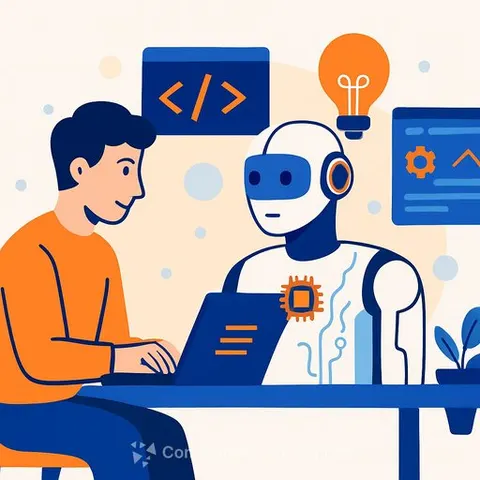
The Transformation of Software Engineering in the Age of AI
Software engineering is changing fast as Artificial Intelligence (AI) reshapes how applications are developed, deployed, and maintained. This shift is not about replacing engineers but about evolving the role they play. AI has taken over many routine tasks, freeing engineers to focus on more complex problem-solving, system design, and integrating smart tools.
AI tools speed up repetitive coding tasks, but the core skills remain essential. Basic programming knowledge, especially in languages like Python or JavaScript, logical thinking, version control systems like Git and GitHub, and understanding web technologies are still the foundation. Strong communication skills also remain crucial for effective collaboration.
New Skills for Modern Engineers
To stay relevant, engineers must add new skills to their toolkit. Prompt engineering—crafting effective inputs for AI tools such as ChatGPT, Claude, or Gemini—is now key. Working with Large Language Models (LLMs) via APIs from providers like OpenAI, Anthropic, or Google is becoming standard practice.
Data handling skills are also increasingly important. Collecting, cleaning, and structuring data for AI models is a must, along with a solid grasp of data ethics to ensure fairness, reduce bias, and consider user impact. These skills are critical for building reliable, responsible AI-powered products.
A Practical Roadmap for Beginners
Starting with a simple and versatile language like Python is a smart move since it covers both traditional software development and AI-focused projects. JavaScript remains excellent for web development, while Java and C# are common in enterprise settings. TypeScript is useful for building scalable web apps.
Hands-on experience is the fastest way to learn. Building projects such as calculators, to-do lists, personal portfolios, or chatbots that use GPT models helps solidify concepts. Mastering Git and GitHub early will smooth collaboration and version control.
Adopting AI tools from the start can boost learning and productivity. Platforms like ChatGPT help with debugging, GitHub Copilot assists with code generation, and intelligent IDEs such as Cursor AI and Tabnine offer context-aware code suggestions. These tools act as real-time mentors, encouraging experimentation and deeper understanding.
Structured Learning and Consistency
Following structured learning paths keeps progress on track. Resources like roadmap.sh, FreeCodeCamp, and Harvard’s CS50 course provide solid frameworks. Setting regular weekly goals and focusing on a manageable number of resources prevents overwhelm.
The rise of AI marks a new chapter for software engineering. Those who adapt and keep learning will find ample opportunities, whether in tech companies, freelancing, or startups. Success still comes down to skill, curiosity, and a willingness to grow.
For those looking to deepen AI skills, exploring Complete AI Training’s latest courses can provide focused, practical guidance on prompt engineering, AI tools, and coding with AI integration.