
AI news ·
How CHROs Can Lead Successful AI Transformation Through Workforce Literacy and Change Management
CHROs play a vital role in guiding AI adoption by fostering workforce AI literacy and managing change. Tailored programs ensure smooth integration and sustainable growth.
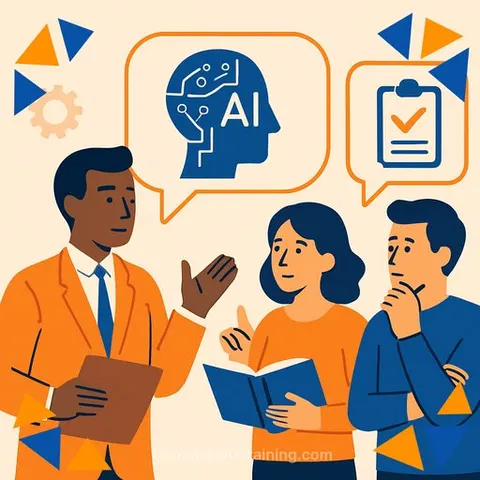
How CHROs Can Guide Their Company Through AI Transformation
Artificial intelligence is now an essential part of business operations, not a futuristic concept. As AI reshapes industries, CHROs have a critical role in helping their organizations adapt smoothly. A key focus is fostering AI literacy across the workforce, so everyone—from leadership to employees—can work effectively with AI technologies and understand their broader implications.
AI literacy isn’t just about technical skills. It involves grasping the ethical, social, and economic impacts AI brings. When an organization builds this foundation, it can adopt AI tools more confidently and responsibly.
Balancing the Pace of AI Adoption
Organizations typically move at one of two speeds with AI adoption:
- Steady pace: Suitable for companies with cautious AI goals or limited resources, where AI isn’t yet disrupting the market.
- Accelerated pace: Ideal for innovative or larger enterprises aiming to become AI-first or operating in industries already transformed by AI.
Regardless of pace, CHROs can prepare their teams by focusing on three main areas: delivering business outcomes with AI, managing behavioral changes, and readying the workforce for AI integration.
Deliver Business Outcomes Using AI
For organizations moving steadily, CHROs should prioritize AI literacy programs that identify where generative AI can boost productivity. Target repetitive, time-consuming tasks first—these are often the best candidates for AI support, improving efficiency and freeing employees for higher-value work.
In accelerated environments, CHROs need to redesign HR services with AI at their core and rapidly build workforce AI skills. This approach opens doors to new business opportunities and positions the company to compete effectively in an AI-driven landscape.
Manage Behavioral Outcomes of AI
Resistance to change is a major barrier to successful AI adoption. CHROs must lead efforts to create a culture open to innovation and agility while addressing employee concerns.
For steady adopters, putting employees at the center of change management is crucial. This means considering their well-being, job satisfaction, and ethical questions about AI use. HR teams should closely collaborate with AI project groups to develop change plans focused on employees most impacted by AI.
For accelerated adopters, CHROs should also prepare for the growing presence of AI agents in the workplace. Bringing in behavioral experts can help ensure these new human-machine partnerships support positive outcomes for employees.
Prepare the Workforce for AI Integration
Workforce readiness remains a top hurdle for AI adoption. Many employees have yet to use AI tools effectively to reduce effort in their roles. CHROs leading steady-paced organizations should focus on teaching their teams how to use AI responsibly and efficiently.
This involves creating AI literacy programs tailored to different job roles, developed in partnership with technology teams. These programs help scale AI use across the organization without overwhelming employees.
For accelerated adopters, fast-tracking AI upskilling is essential. Building communities of practice with early AI adopters from various departments fosters peer learning and enthusiasm. These internal champions can support HR in rolling out targeted AI literacy efforts for those most affected by AI changes.
By focusing on these strategies, CHROs can ensure their organizations not only adopt AI but do so in a way that drives sustainable growth and innovation. Leveraging AI to enhance HR productivity will unlock new levels of efficiency and effectiveness, positioning companies for success in the digital era.
For HR professionals interested in expanding AI skills and knowledge, exploring specialized AI courses can be a practical next step. Resources like Complete AI Training offer tailored learning paths designed for various job roles, including Human Resources.