
AI news ·
How IT Teams Can Transform Automation Into Strategic Advantage with AI Integration
AI is shifting IT roles from managing systems to leading automation and security. Starting small with use cases like ticket resolution helps build trust and ensure strong governance.
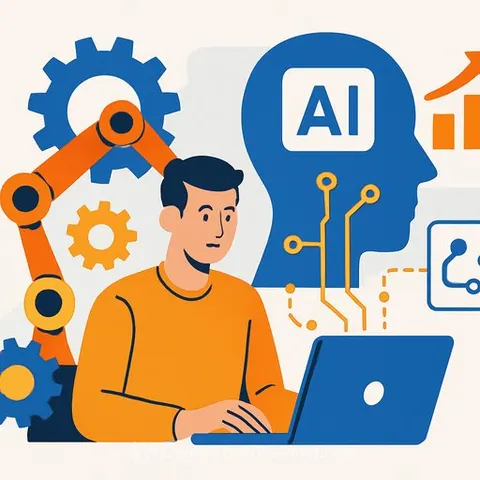
Turning Automation into Advantage by Rethinking the Role of IT
The conversation around AI in IT is evolving. AI is no longer just a tool for workflow optimization; it’s becoming a co-pilot in decision-making, automation, and security. For IT teams, this marks a critical shift—not only in managing systems but also in influencing business operations.
What does this shift look like in practice? As AI takes over repetitive tasks, IT teams are moving beyond break-fix roles toward orchestration and oversight. This includes defining automated workflows, managing access for non-human users, and ensuring AI aligns with business and security goals.
According to JumpCloud’s recent IT Trends report, 42% of organizations plan to invest in AI-related IT tools within six months, and 77% expect to implement AI initiatives within the year. This momentum signals a clear change in IT’s focus and responsibilities.
How to Adopt AI Without Overextending
One of the biggest challenges for IT leaders is pacing adoption. Move too fast, and security gaps appear. Move too slow, and efficiency gains are lost. The best approach is to start small.
Focus on specific use cases such as automating ticket resolution or onboarding. These narrow applications help build internal knowledge and trust. Tracking measurable outcomes—like faster resolution times or fewer provisioning errors—can guide future expansion.
Security must remain the foundation. The same report found 67% of IT administrators believe AI is advancing faster than their ability to secure it. This isn’t a reason to pause adoption but a reminder to implement strong governance from the start.
Building Teams for AI Collaboration
Technical skills alone won’t cut it. Managing AI requires expertise in data quality, prompt engineering, and monitoring AI systems in production. Collaboration skills are equally important.
IT leaders need to work closely with business units to identify meaningful problems for AI and ensure solutions fit existing workflows. Early AI successes often come from operational areas with repetitive tasks, such as user provisioning, help desk queries, and automated threat detection.
Automating these tasks frees IT teams to focus on strategic activities like policy enforcement, compliance audits, and infrastructure planning.
Strong Governance for Rapid Adoption
Rapid AI adoption demands strong governance. Organizations should establish clear frameworks for ethical AI use, data privacy, and accountability. This means having processes to detect bias, flag anomalies, and meet regulatory standards.
Without these safeguards, short-term benefits can lead to long-term risks. This shift is more than technology—it’s a leadership opportunity. IT must evolve from system management to strategic enablement.
By focusing on practical use cases, adopting AI thoughtfully, and embedding governance early, IT can guide the organization through this next stage of innovation.