
AI news ·
How to Build an Effective AI Governance, Risk, and Compliance Framework for Your Organization
AI introduces risks that require a dedicated governance, risk, and compliance framework. Clear policies, collaboration, and continuous updates help manage AI responsibly and protect data.
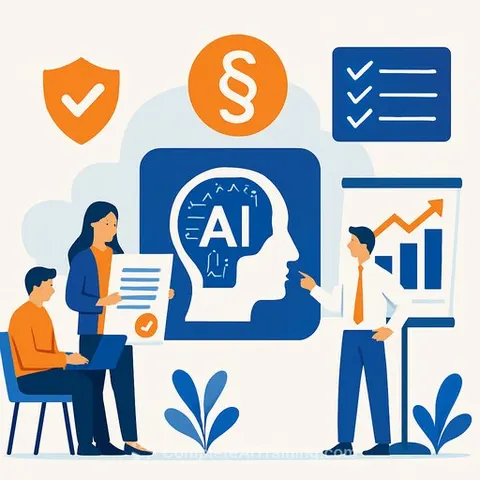
Implementing an AI Governance, Risk, and Compliance Framework
Artificial intelligence offers immense value but also introduces significant risks. To benefit fully while managing these risks, companies must establish a governance, risk, and compliance (GRC) framework tailored to AI. This article outlines practical steps to develop an effective corporate AI policy.
Why AI-Specific GRC Matters
AI impacts areas like cybersecurity, data privacy, bias, ethics, and regulatory compliance. Organizations with dedicated AI GRC frameworks are better positioned to minimize risks and use AI responsibly. Despite this, only 24% of companies have fully enforced AI GRC policies, leaving many exposed.
AI tools, especially generative models, are now widely accessible to employees. Without clear guidance, risks such as data leaks, exposure of sensitive information, and misinformation from AI hallucinations can arise. Companies must train employees and set firm policies to protect their data and reputation.
Recognize the Challenges
Building and maintaining an AI GRC framework is complex. AI evolves quickly, making policy updates necessary. Overly strict policies risk stifling innovation or encouraging employees to work around rules, creating shadow AI risks. Successful frameworks strike a balance between control and flexibility.
Build a Clear Governance Structure
Effective AI governance requires clearly defined roles and responsibilities. Without this, risks become misaligned with AI deployments, leading to brand damage, legal issues, or missed opportunities. Organizations must decide where accountability lies based on their culture and structure.
Policies should specify ownership of AI initiatives and enforcement mechanisms. Ensuring AI systems are explainable builds trust and supports adoption across the business.
Make AI Governance a Collaborative Effort
AI touches multiple departments. Include stakeholders from IT, legal, HR, compliance, and business units when creating your GRC framework. This broad input ensures governance aligns with ethical standards and business goals.
Establish a plan for ongoing feedback, policy refinement, and progress tracking. This approach helps your organization stay compliant amid regulatory updates and AI advancements.
Create an AI Risk Profile
Define your organization’s risk appetite and identify sensitive information. Assess how exposure of this data in AI systems could affect your company. This profile guides risk assessment and mitigation strategies, helping avoid legal and financial consequences.
Incorporate Ethical Principles
Ethics should be central to your AI GRC policy. Address fairness, transparency, accountability, privacy, and human oversight. For example, ensure your AI systems do not reinforce biases and that decisions impacting individuals are explainable. This builds trust and prevents harm.
Implement AI Model Governance
Manage the full AI model lifecycle—from data acquisition and development to deployment and retirement. Establish procedures for data validation, model testing, version control, and performance monitoring. Regular retraining keeps models accurate and relevant, reducing operational risks.
Develop Clear, Enforceable Policies
Policies must balance AI’s risks and opportunities without restricting innovation. Document clear rules on responsibility, data management, and operational practices. Enforcement mechanisms should be transparent and consistent to ensure compliance and reduce risk.
Seek Feedback and Refine Continuously
Communicate AI policies broadly and encourage feedback. Regularly review AI usage and policy effectiveness to identify gaps. Continuous monitoring and automated alerts help maintain compliance and performance as AI systems evolve.
Building an AI GRC framework is a critical step for management teams aiming to leverage AI safely and effectively. For those interested in expanding their knowledge on AI governance and compliance, exploring specialized training can provide valuable insights and practical skills. Consider checking courses on Complete AI Training for comprehensive learning options.