
AI news ·
Huffer denies using model likeness in AI ads as experts cite outdated New Zealand image rights laws
Clothing brand Huffer faces scrutiny for allegedly using AI to replicate a model's likeness without consent. The dispute exposes gaps in New Zealand's 1994 Copyright Act.
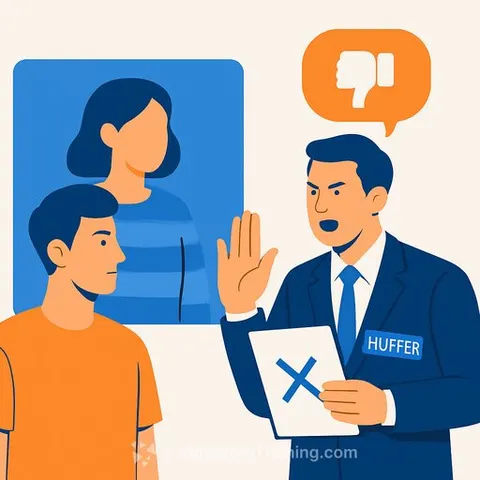
Clothing brand Huffer faces legal and public scrutiny after model Elijah Timmins-Scalon accused the company of using AI to replicate his likeness in advertisements without consent. The dispute exposes the inadequacy of New Zealand's 1994 Copyright Act in protecting individuals from unauthorized AI image generation, raising urgent questions for legal professionals about intellectual property and image rights.
Corporate denial and legal pushback
Timmins-Scalon raised the issue publicly in June via a viral video, prompting Huffer to initiate legal action. The company demanded he immediately remove posts that might breach the Harmful Digital Communications Act and refrain from publishing misleading material.
Huffer later issued a statement apologizing for the distress caused to models who made claims, though they maintained they did not use Timmins-Scalon's specific photo. Managing Director Kate Berry declined to comment on comparative photos supplied by four models.
"I can categorically say we do not generate any images from models in New Zealand we have paid," Berry said. She added that the technology to replicate specific individuals does not exist, characterizing any such alteration as standard photo editing.
The outdated copyright framework
Intellectual property lawyer Lynell Huria-Tuffery notes that the case is complex, as New Zealand's legislative framework has failed to keep pace with technological advances, leaving a gap in current AI for Legal protections. She pointed out that the Copyright Act was passed in 1994, long before current generative technologies existed.
"It becomes really difficult to prove... currently our legislative framework doesn't protect a person's image unless you're fairly well known and you can liken it to a claim under the Fair Trading Act," Huria-Tuffery said. She added that outside of that narrow exception, it is difficult to protect the use of an image unless the individual owns it.
Huria-Tuffery suggested New Zealand should study nations like Denmark, which have begun implementing strategies to ensure the ethical use of AI.
Cultural dimensions of image rights
Beyond copyright, Huria-Tuffery argues that generating AI images resembling Māori individuals introduces distinct cultural complications. "I think that's a really good question whether generating an image that looks Māori is tika - well it's not, because it's essentially giving a projection that your product is endorsed by a Māori person and that may not necessarily be the case," she said.
She emphasized that an individual's image incorporates their whakapapa, meaning communities need the ability to control how and when their likeness is used in commercial contexts. This cultural dimension adds another layer of liability for companies deploying generative tools without explicit consent.
Why this matters for legal professionals
Lawyers advising corporate clients on marketing and intellectual property must recognize that existing copyright statutes offer limited protection against AI replication of human likenesses. Relying on the 1994 Copyright Act or the Fair Trading Act leaves significant gaps when defending or prosecuting unauthorized image generation. Legal teams should proactively audit AI usage policies and advise clients on the cultural and reputational risks of deploying generative tools without explicit, documented consent from all subjects.