
AI news ·
Illinois State Board of Education releases guidelines for artificial intelligence in schools
Illinois released flexible K-12 AI guidelines prioritizing student privacy and human instruction over strict mandates. Staff toolkits will follow in the 2026-2027 academic year.
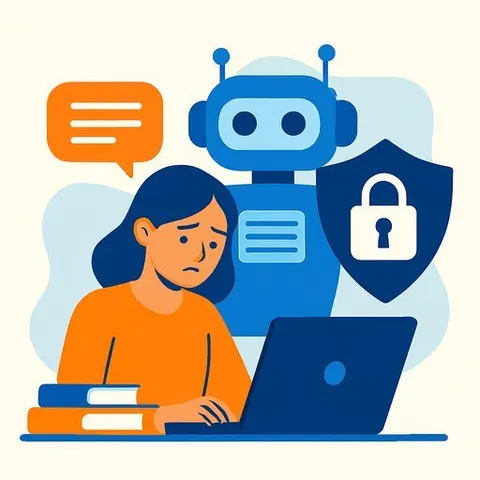
Illinois State Board of Education released a set of guidelines for artificial intelligence in K-12 classrooms on Thursday, providing districts with a flexible operational roadmap rather than rigid statewide mandates. The framework, developed to satisfy Public Act 104-0399, places human instruction and student data privacy at the center of any AI adoption.
Four pillars guide local decisions
The guidelines, which arrive as districts nationwide grapple with AI for Education integration, rest on four tenets: prioritizing human relationships in education, honoring the academic and civic purposes of public schools, treating AI as a supportive teaching mechanism, and maintaining local board oversight. State policy experts, technology advisors, and public educators collaborated to develop a model that each district can adapt to its community's needs.
Practical resources for classroom integration
The board published sample templates, case studies, and data security protocols to help administrators move from theory to practice. The documents cover methods for using digital platforms to boost student engagement, age-appropriate digital citizenship lessons, and strict compliance with state and federal student privacy laws. The guidance also pushes districts to examine bias mitigation, equity, and platform accessibility before purchasing software.
What state leaders say about the role of AI
State Superintendent of Education Dr. Tony Sanders drew a clear line between tool and teacher. "This guidance makes clear that AI is a tool to support teaching and learning, not a replacement for the relationships that ground teaching and learning," Sanders said. He added that the agency's responsibility is to help schools adopt new technologies in ways that strengthen instruction, protect students, and build trust with families. State Senator Doris Turner, a Springfield Democrat, said ensuring parents can trust that AI does not compromise personal privacy or online safety remains the program's core focus.
Professional development and future toolkits
Throughout the 2026-2027 academic year, the state board plans to release customized, role-specific toolkits for specialized school personnel and offer free professional development seminars. For teachers building foundational skills, external resources like an AI learning path for teachers can supplement district-led training. These sessions aim to help faculties transition smoothly into tech-assisted teaching environments.
Why this matters for educators
The Illinois framework offers teachers a state-sanctioned reference point for evaluating AI tools without undermining the instructional relationship at the heart of their work. Because the guidance is not a top-down mandate, educators can use its ethical guardrails and sample templates to advocate for tools that meet privacy standards and serve clear learning goals. The forthcoming role-specific toolkits will give teachers, librarians, and specialists tailored support for classroom implementation, making it easier to test AI on their own terms.