
AI news ·
Indonesia Seeks OIC Partnership for Inclusive AI to Boost Food Security, Healthcare, and Green Energy
Indonesia seeks OIC collaboration to develop inclusive AI for social and economic benefits. AI will support food security, healthcare, renewable energy, and sustainable resource use.
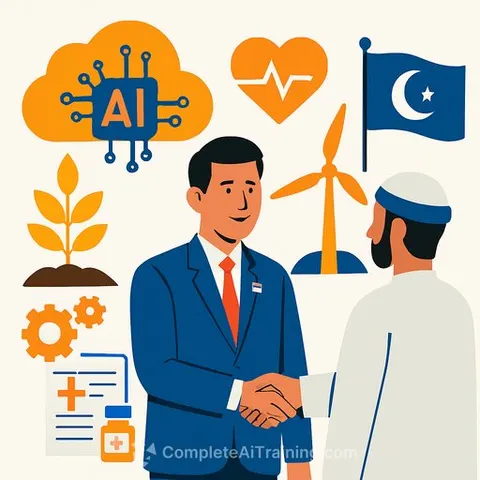
Indonesia Seeks OIC Partnership for Inclusive AI Development
Indonesia is positioning itself as a strategic partner to develop an inclusive and sustainable artificial intelligence (AI) ecosystem alongside member states of the Organization of Islamic Cooperation (OIC). This effort aims to drive technological progress that benefits all sectors fairly and efficiently.
Brian Yuliarto, Indonesia’s Minister of Higher Education, Science, and Technology, shared these intentions during the 2nd Ministerial Meeting of the OIC-15 Dialogue Platform held in Tehran on May 19, 2025. He emphasized collaboration to lead the Islamic world towards equitable technological growth.
AI as a Catalyst for Social and Economic Transformation
Minister Yuliarto highlighted AI’s role beyond futuristic applications, positioning it as a key driver for inclusive social and economic change. Indonesia plans to leverage AI to tackle pressing national challenges including food security, healthcare access, renewable energy, and sustainable resource processing.
- Food Security: AI-powered tools can enhance agricultural productivity through precision farming, real-time crop and soil monitoring, and optimized supply chains. These technologies reduce post-harvest losses and help create a resilient food system adaptable to environmental changes.
- Healthcare: AI-driven telemedicine services can bridge healthcare gaps in remote and underserved areas without compromising diagnostic quality, addressing shortages of infrastructure and medical personnel.
- Renewable Energy: AI can optimize the efficiency of solar, geothermal, and wind energy conversion via smart grid systems to boost sustainable energy production.
- Natural Resource Processing: Applying AI in downstream processing facilitates eco-friendly and efficient extraction and manufacturing, strengthening competitiveness in mineral and raw material industries.
Yuliarto also pointed out that AI technologies could help manage challenges related to population growth and climate change, both critical factors for food security and sustainable development.
For IT professionals and developers interested in AI applications across these sectors, exploring specialized training can provide practical skills to contribute to such initiatives. Courses on AI advancements and tools offer valuable insights into deploying AI for social impact.