
AI news ·
Instinct rolls out product recommendations amid user backlash
Instinct Selections pushes unsolicited product recommendations to users of the $10 billion AI startup. The feature, launched after a $1 billion Series C, has triggered backlash from investors who compare the spam-like alerts to intrusive advertising.
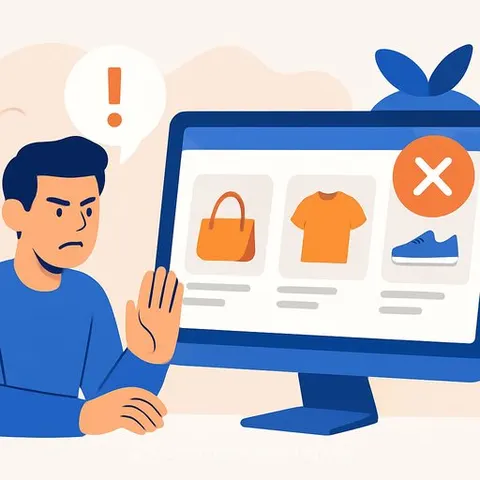
Instinct, an AI agent startup valued at $10 billion, launched a new feature called Instinct Selections on Tuesday that pushes unsolicited product recommendations to users. The move aims to create a revenue stream through human-curated suggestions in dining, travel, and shopping, but early user reactions have been negative.
Human curation meets automated push
Founder Noah Shinn announced the feature on X, explaining that Instinct is partnering with "local chefs, designers, architects, travel guides," and others to bring "human taste" to its product. The goal, Shinn said, is to differentiate their output from general internet searches and other chatbots.
"The next time you're looking for a restaurant, Instinct can pull from a list handpicked by chefs who know the hidden gems in your area," Shinn wrote. He added that for home decor, the agent will find pieces from independent designers that match a user's style, space, and budget.
User backlash over spam-like suggestions
Despite the promise of personalized quality, the rollout has frustrated some high-profile users who felt the suggestions were intrusive. Shruti Gandhi, a general partner at Array VC, criticized the lack of relevance.
"I didn't need to buy carry-on luggage, sunglasses, or a brim hat. This feels so disappointing. At least make me a personalized shopping list of things I actually need!!" Gandhi wrote.
Chat Joglekar, founder of a business-buying marketplace, described the experience as his first "ewwww" moment with an AI assistant. He said the agent suggested products based on his email and upcoming trips without being asked. Andrew Yeung, an entrepreneur, confirmed similar unsolicited pushes, noting they can feel off-putting.
Monetization strategy under scrutiny
Instinct did not specify who its human partner experts are, nor did it confirm if it is currently earning revenue from these recommendations. However, the feature structure is ripe for advertising, commerce, or affiliate partnerships.
The launch follows a recent $1 billion Series C round that valued the company at $10 billion. Instinct has not disclosed its user count, a metric often used to justify such valuations. In a podcast interview with investor Patrick O'Shaughnessy, Shinn said the platform is approaching a billion dollars in annual transactions made through the agent, with more than 50% related to travel.
Competing with larger entities like Meta and OpenAI, which do not currently employ this aggressive recommendation tactic, Instinct faces a delicate balance. To avoid alienating users, the suggestions must be highly personalized or contextually relevant to the current conversation. Random, unasked-for product pushes risk feeling like spam, especially when the utility of the AI agent is under scrutiny.
Why this matters for Marketing and Sales Professionals
For teams focused on customer engagement, Instinct's misstep highlights the fine line between helpful automation and intrusive advertising. When deploying AI Agent Courses insights or building internal tools, ensure that AI interventions are triggered by explicit user intent or natural conversation flows. Unsolicited recommendations can erode trust quickly, turning a potentially valuable commercial channel into a nuisance that drives users away from the platform entirely.