
AI news ·
Is AI Fueling Unrealistic Client Expectations and Redefining the Designer’s Role?
AI is shifting client expectations, with many expecting instant, high-quality designs. Designers must educate clients and adapt to thrive in this changing landscape.
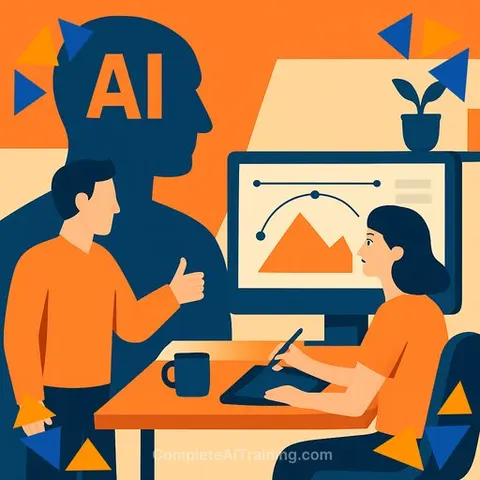
Is AI Setting Unrealistic Expectations for Designers?
Designers have long faced clients who expect quick results and low costs, often without understanding why quality design demands time and skill. This gap between what clients want and what professionals deliver isn't new. But now, with AI tools becoming more common, the challenge seems to be growing.
A story shared by a designer highlights this shift. After a client confused AI (artificial intelligence) with AI file formats like Adobe Illustrator's .ai, they wanted to print an AI-generated image. Naturally, the quality wasn’t suitable for print. When the designer explained it would take 30 minutes to create a proper design from scratch, the client walked away.
Why Are Client Expectations Shifting?
Many creatives feel the pressure of clients expecting instant, high-quality results, thanks to the accessibility of AI-generated images. The lack of awareness about design processes causes frustration on both sides. One designer summed it up by calling client demands "a combat sport" in the signage industry, emphasizing how common misunderstandings are.
Clients often base their idea of good design on what they can create themselves or what AI tools can produce instantly. This misunderstanding makes it tough to explain why custom designs cost more and take longer. Some designers even post disclaimers warning that AI-generated images don’t scale well for print, trying to manage expectations upfront.
The Impact of AI on Design Workflows
Requests to print AI-generated images have become so frequent that some designers now offer "fixing" services to make these files usable. This is reminiscent of how hair salons responded when $5 haircut chains emerged with banners saying, "We fix $5 haircuts."
The influence of AI isn't limited to freelance or small design shops. In film, TV, and corporate marketing, AI-generated assets are increasingly common. One designer shared that 90% of outsourced work includes AI elements, often needing extensive fixes before use. Meanwhile, corporate leaders impressed by AI expect design work to be as fast as a click, lowering the bar for both quality and turnaround time.
Facing the Future: Designers’ Perspectives
- Some remain confident: They believe their value lies in taste and skill, not just pushing buttons. AI can’t replace thoughtful design judgment.
- Others worry: As clients grow comfortable with AI-generated images, they may prefer cheaper, faster options, risking the loss of traditional design jobs.
- Positive outlooks: Some see AI as a filter, weeding out clients who don’t value bespoke design. Others find AI helpful when clients come prepared with clear ideas that just need professional polishing.
What Can Designers Do?
Clear communication remains crucial. Explaining why certain files won’t work or why a task takes time helps set realistic expectations. Offering services to refine AI-generated images can open new revenue streams. Designers who adapt to this changing landscape without compromising their standards are more likely to thrive.
If you’re interested in learning how to work effectively with AI tools and enhance your design skills, check out some practical courses and resources available at Complete AI Training.