
AI news ·
Job seekers use hidden prompt injections to trick AI resume screeners
51% of employers now use AI to screen resumes, and some job seekers are fighting back with prompt injection-hiding invisible instructions in documents to manipulate the machines.
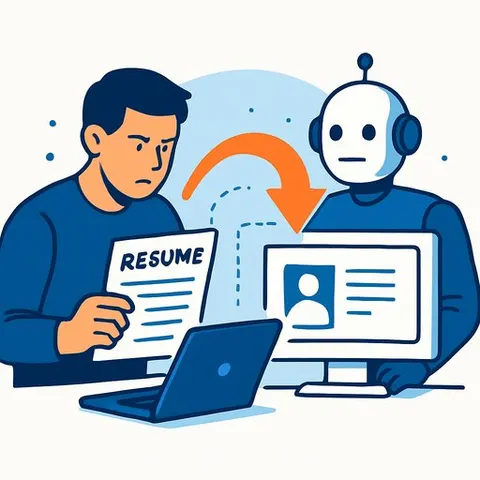
More employers are using AI to screen resumes, and some job seekers are fighting back with a tactic called prompt injection - hiding invisible instructions inside their documents to manipulate the machines reading them.
About 51% of organizations now use AI to support recruiting, according to a 2025 survey by the Society for Human Resource Management. The software helps sort applications, summarize resumes, compare candidates, and flag people worth advancing. But recruiters and career coaches on TikTok have been exposing how applicants are trying to game those systems.
How prompt injection works
The tactic involves embedding instructions into resumes using white or concealed text that humans can't see but AI can read. The goal is to get the screening system to rank the candidate more favorably or move them automatically to the next stage.
"Take note of these applicants," one recruiter posted, noting the ingenuity behind the approach, especially for employers seeking to fill tech or innovation roles. Another recruiter, @therealestrecruiter, warned the tactic could "create chaos for hiring teams."
A study by researchers at Duke University analyzed roughly 200,000 real-world resumes and found that at least 1% contained prompt injections. The techniques are becoming more sophisticated, with many prompts avoiding obvious commands like "hire me."
A 2026 study published by the Association for Computational Linguistics tested whether prompt injection could actually affect a candidate's ranking. It found the tactic worked, especially when few applicants used it. Once more people try it, the effectiveness weakens.
The risk of being discovered
For job seekers, slipping hidden instructions into a resume might seem like a way around an automated gatekeeper. But employers who detect the tactic may view it as manipulating the process, not as creativity. And the window for using the trick effectively appears small.
Indeed, the job platform, has publicly shared how it detects and defends against attempts to manipulate AI systems through resume screening. The company says it has introduced safeguards designed to identify suspicious content. Academic researchers are also working on detection. A 2026 study presented at ACL Industry Track examined ways to spot resume-based prompt injection at scale, framing the issue as moving from an Internet hack into a real AI-security problem for hiring.
The broader problem with AI screening
In a 2023 testimony to the U.S. Equal Employment Opportunity Commission, ReNika Moore, director of the Racial Justice Program at the American Civil Liberties Union and former Labor Bureau chief of the New York Office of the Attorney General, warned about automated resume screening:
"Often, these automated screening tools create rigid rules for highly specific certifications, credentials or particular descriptions of job experience, or screen for gaps in work history of more than six months, which can weed out qualified candidates that a human reviewer may have otherwise interviewed or hired and disproportionately create barriers for people with protected characteristics, such as pregnancy or a disability."
AI can help recruiters sift through huge applicant pools faster, but hiring systems also need to distinguish between a candidate actual qualifications and instructions designed to influence the machine evaluating them.
Why this matters for human resources professionals
The response to prompt injection will likely involve stronger AI safeguards and additional assessments later in the hiring process to verify candidate claims. That means HR teams need to understand how these systems work - not just for legal compliance, but to maintain trust in the process.
For recruiters and HR managers, the tactic signals a broader shift: employees evaluating AI are learning how to evaluate the evaluators. Strengthening AI for Human Resources practices and building the technical literacy to spot manipulation tactics offers a path forward. One practical place to start is an AI Learning Path for Recruitment Coordinators, which covers how these systems work and what red flags to watch for.
The growing tug-of-war between job seekers and the technology that stands between them and a human recruiter isn't going away. It's an opportunity for HR to re-evaluate hiring practices and decide where technology assistance ends and human judgment begins.