
AI news ·
Large language models lack research provenance and increase patent infringement risk for companies
LLM-derived methods in product manuals create strict patent infringement liability under Section 271. Firms need four controls to catch missed IP risks.
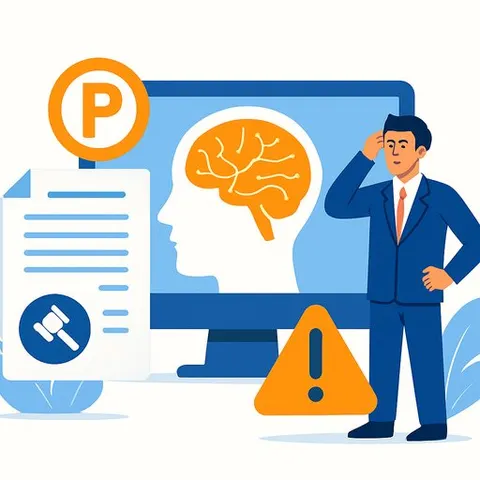
The use of large language models to generate experimental protocols and customer-facing methods creates a new infringement risk that corporate IP processes were not designed to catch. When an R&D team sources a technical method from an LLM and embeds it in a product manual, the company can face strict liability for direct infringement before any notice, and an inducement claim afterward-even if patent counsel was never involved.
Where the risk enters
Consider this scenario: An R&D team preparing a product user manual asks an LLM for a customer-facing protocol. The response provides a method that is copied into the manual. Standard legal review occurs, but the team classifies the method as routine, so no invention disclosure is filed and IP legal is not consulted. The product ships. Six months later, a patentee sends a notice letter.
Under Section 271(a), the company's pre-notice practice of the patented method is strict liability. Knowledge of the patent is irrelevant. Under Section 271(b), the post-notice period triggers inducement. Every customer following the manual becomes a direct infringer, and the company's continued distribution of the manual-or failure to issue corrective communication-grounds the claim.
Why the patent trigger gets missed
The issue is not that R&D refuses to involve IP legal. It is that the LLM removes the conditions that would normally prompt that involvement. Traditional research carries provenance: journal articles with citations, patent search results with assignee names. Those signals automatically alert researchers to potential IP issues. An LLM response offers no such trail. It arrives without authorship, without citations, and without patent context, like a knowledgeable colleague answering a question. The instinct to flag the method for review is never activated because the signal was never present.
Patent agents and IP professionals now need to factor this provenance gap into their freedom-to-operate analysis-a skillset that targeted training, such as the AI for Patent Agents course, directly addresses.
Four controls that close the gap
With provenance signals removed, organizations can implement four practical measures:
- Define the term. AI-use policies must distinguish executable technical instructions from summaries and background. An LLM-derived method-a synthesis route, assay protocol, formulation, or customer-facing workflow-should be a recognized category distinct from a literature summary.
- Build a fast escalation path. A brief form or designated IP contact is enough. A process that feels like a full legal stop will be circumvented.
- Preserve provenance. When an LLM-derived method enters a project record, document when the company learned of it. This avoids reliance on email reconstruction for critical dates and supports inventorship, trade-secret hygiene, and later defensive narratives.
- Review the vendor agreement. Confidentiality and copyright indemnity do not protect a company that practices a patented process suggested by a tool. Ask explicitly about patent indemnity, and let its absence shape procurement and training decisions.
These controls align with emerging risk-management frameworks for legal teams. The AI for Legal training courses help in-house counsel develop the evaluation skills needed to embed such safeguards into corporate AI policy.
Why this matters for legal professionals
The legally significant act is not the model generating text, but the company's decision to practice the method, scale it, or instruct customers to use it. In-house legal teams must treat LLM-sourced methods as a distinct category of conduct, ensure their AI-use policies reflect this distinction, and build escalation paths that don't depend on researchers recognizing IP signals. The user side of the prompt, where methods turn into shipped products, faces litigation before the model builder ever does.