
AI news ·
Luma AI announces fully Arabic interface for its creative platform
Luma AI will launch a fully native Arabic interface for its creative platform Luma Agents later this year, making Arabic the first non-English language available across all navigation, menus, and workflow tools.
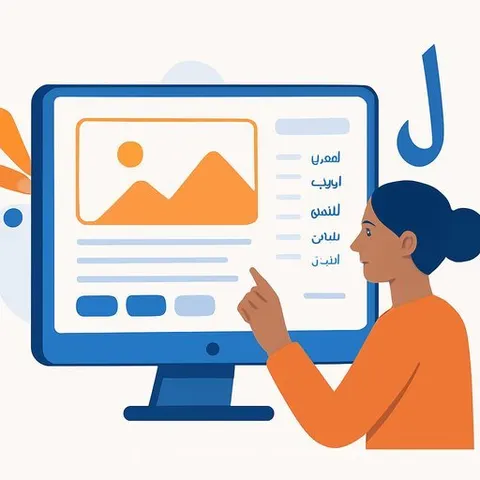
Luma AI will launch a fully native Arabic-language interface for its unified creative platform, Luma Agents, later this year. The update, announced at LEAP 2026 in Riyadh, makes Arabic the first non-English interface on the platform and covers the full user experience - navigation, menus, and workflow tools - not just prompts or generated content.
The rollout targets creative professionals in Saudi Arabia and the wider MENA region, where fully Arabic interfaces are still uncommon across AI generation platforms. Luma AI said feedback from Saudi creative communities over the past year shaped the localization process. The company wants Arabic-speaking users to move from initial ideas through to finished work without switching between languages.
Built on regional infrastructure
The Arabic interface extends Luma AI's existing partnership with HUMAIN and its broader Saudi expansion. The company has already established its regional headquarters in Riyadh and previously announced an office there to support Arabic-native AI development. This localization effort sits within the wider category of AI for Creatives, where language accessibility remains a barrier for many professionals.
For creative teams working across the region, the shift removes a friction point that has long forced Arabic-speaking designers, video editors, and art directors to navigate English-only tools. The interface change means the platform itself speaks their language, not just the outputs it generates.
What the interface covers
The localization goes deeper than surface-level translation. Rather than limiting Arabic support to text prompts or generated content, Luma AI is rebuilding the entire user experience in Arabic. Every menu, tool label, and workflow step will appear in Arabic by default for users who select the language.
This approach differs from many AI platforms that accept Arabic prompts but keep their interfaces in English. For creative professionals who think and collaborate in Arabic, the distinction matters - it reduces cognitive load during iterative creative work where speed and flow are essential.
Why this matters for creative professionals
Creative work depends on fluidity between idea and execution. When the tool's language matches the creator's thinking language, that transition tightens. For Arabic-speaking designers, video editors, and art directors, a native interface eliminates the mental translation step that interrupts creative momentum during fast-paced production cycles.
The move also signals growing investment in MENA's creative economy infrastructure. As AI Translation and Localization capabilities mature, platforms that adapt their entire experience - not just their outputs - will shape which creative communities can work at full speed with AI tools.