
AI news ·
Microsoft president says milk gets more oversight than AI, pushes for UK to lead global safety rules
Microsoft's president says AI models get less oversight than milk cartons or washing machines, calling AI a "weapon and a tool" that demands global safety rules now.
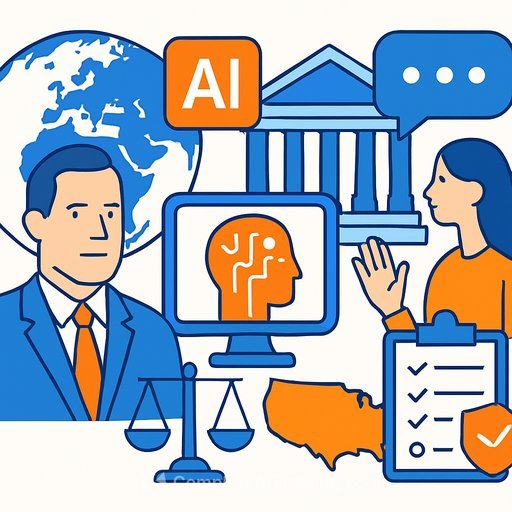
Brad Smith wants your carton of milk to face more regulatory scrutiny than the AI models reshaping global security. Microsoft's president made that comparison on a recent BBC podcast, arguing that consumer goods like washing machines get more oversight than the companies building artificial intelligence. He called AI a "weapon and a tool" simultaneously - one that's straining cybersecurity worldwide - and said the time for global safety rules is now.
Smith's choice for who should lead that effort is specific: the UK, not Washington or Brussels. His reasoning centers on Britain's AI Security Institute, launched in 2023. AISI gets early access to frontier models from US labs before they go public and has built a reputation for safety testing. That access has faced pressure. President Trump has criticized what he calls "globalist" organizations meddling with American firms and reportedly pushed Anthropic and OpenAI to hold back new models from British testers. AISI said Monday it still has access to the latest systems.
Smith's comments land alongside warnings from Anthropic's Dario Amodei and OpenAI's Sam Altman, both urging a slower pace of development following a string of incidents.
The milk-and-washing-machines argument
Smith's comparison is a good soundbite, but it flattens a real problem. AI systems don't fail the way appliances do. A recall notice doesn't help once a model has been deployed across millions of workflows. The stakes are different, and the failure modes are harder to contain.
For builders, the signal worth watching isn't the UK's regulatory ambition - it's which jurisdiction ends up setting the compliance bar everyone has to clear. If London moves first and Washington or Brussels follow its framework, that reshapes where startups incorporate, where they test agents, and how much legal cover "going fast" still gives them.
Convenient timing for Microsoft
Smith's pitch is convenient. Microsoft has spent years lobbying regulators while shipping products faster than any oversight body could track. Now its president wants the UK - a market where Microsoft already has deep government ties - to write the rulebook for everyone else. That's not neutral advice. It's positioning.
Amodei and Altman calling for brakes while their companies keep shipping is its own tell. Watch who actually writes binding rules, not who talks about wanting them. The gap between public caution and private velocity has become a pattern worth tracking across the industry.
Why this matters for executives and strategy
The regulatory center of gravity is still up for grabs, and that uncertainty carries cost. If the UK's AISI framework becomes the de facto standard, companies testing frontier models will need to factor British compliance into their development timelines - regardless of where they're headquartered. For legal and government affairs teams, the immediate question is whether existing voluntary agreements with AISI hold or fracture under political pressure from Washington. For strategy leads, the jurisdiction that sets the compliance bar determines not just legal exposure but competitive positioning. Professionals navigating these shifts can build relevant expertise through resources like AI Public Policy Courses and AI Regulatory Compliance Courses to stay ahead of the rulebook as it's being written.