
AI news ·
Microsoft’s AI Advice for Laid-Off Workers Sparks Debate on Empathy and Automation
Microsoft offered AI-driven career advice to laid-off workers, sparking debate over its empathy and effectiveness. Experts say AI aids support but can’t replace human care.
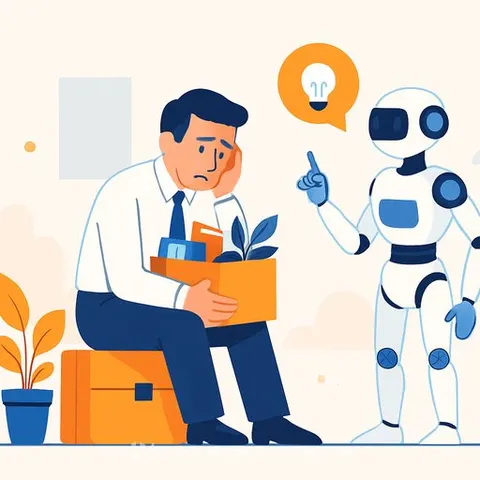
Microsoft's AI Advice to Laid-Off Workers Raises Eyebrows
Microsoft recently offered AI-driven career guidance to employees affected by its latest round of layoffs. While the move aims to assist workers in their job searches, it has drawn mixed reactions. Some see it as an innovative use of technology, while others view it as lacking the empathy needed during such stressful times.
Background
As Microsoft undergoes significant downsizing, the company has turned to artificial intelligence to support its former employees. This approach reflects a growing trend of integrating AI into human resources functions. However, it raises questions about whether AI can effectively address the emotional and financial challenges displaced workers face.
Proponents argue AI provides impartial, data-driven advice quickly. Critics counter that it misses the human touch essential for navigating personal crises like job loss. The debate highlights the tension between technology's efficiency and the need for compassion in workforce management.
Industry and Public Response
Microsoft’s AI initiative has sparked widespread discussion. Industry experts debate if AI can replace human career counselors or serve only as a supplementary tool. The timing of this AI advice, so soon after layoffs, has fueled concerns about corporate priorities and employee care.
Public reaction is split. Some appreciate the timely and accessible support AI can offer, while others criticize it as impersonal and insufficient for handling the complexities of unemployment. Social media platforms have seen heated debates about the appropriateness of deploying AI in such sensitive contexts.
Expert Opinions
Experts recognize AI’s potential to scale support and provide immediate guidance but emphasize its limitations in emotional intelligence. They caution that AI should complement human advisors, not replace them. Ethical considerations around AI’s role in personal employment matters are a central topic among professionals.
This situation serves as a test case for how digital tools can be integrated into HR processes that traditionally rely on empathy and personalized interaction.
Future Implications for HR Professionals
The use of AI in handling layoffs signals a shift in workforce support strategies. HR teams may increasingly incorporate AI tools to assist with career transitions, but must balance this with human-led services.
As AI becomes more prevalent, employees will likely need skills to work alongside these technologies. This transformation will impact hiring, training, and employee engagement practices. HR leaders should consider how to blend AI’s efficiency with genuine human connection to maintain trust and morale.
There is also a pressing need for clear ethical guidelines to govern AI’s use in sensitive HR functions. Transparency, fairness, and empathy must remain priorities as technology becomes more embedded in employee support.
Related Industry Trends
- More companies are adopting AI and automation in HR operations, from recruitment to career counseling.
- Conversations at tech conferences emphasize ethical AI deployment and the importance of human oversight.
- Microsoft’s approach may influence other large employers to experiment with AI-driven employee assistance.
Balancing Technology and Empathy
For HR professionals, Microsoft’s AI advice initiative is a reminder that technology cannot fully replace human understanding in sensitive situations. AI can offer valuable data and resources, but emotional support requires a personal touch.
Effective workforce management will depend on integrating AI tools thoughtfully, ensuring that employees feel supported both practically and emotionally during difficult transitions.
Learn More About AI in HR
For HR practitioners interested in expanding their knowledge of AI applications in workplace management, exploring specialized courses can provide practical skills and insights. Resources such as Complete AI Training’s HR-focused courses offer relevant guidance on blending AI tools with human-centered practices.