
AI news ·
Nearly half of workers say they don't want AI in payroll
Nearly half of U.S. workers are uncomfortable with AI handling payroll, a PayrollOrg survey of over 9,400 employees finds. Only 25% expressed comfort with the technology in pay processes.
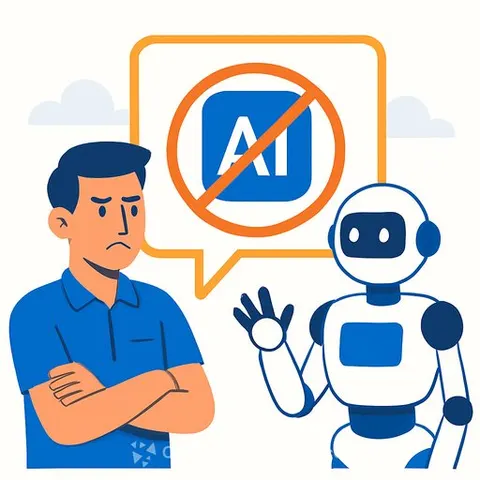
Nearly half of U.S. workers say they are uncomfortable with artificial intelligence handling payroll, according to a PayrollOrg survey of more than 9,400 employees released Tuesday. Only a quarter of respondents said they were somewhat or very comfortable with the technology in payroll processes, signaling a trust gap that HR and total rewards leaders must address as AI tools spread across the enterprise.
The findings, published in PayrollOrg's 2026 "Getting Paid In America" survey, reveal persistent skepticism even as organizations pilot AI for compensation tasks. A 2025 edition of the same survey showed 34% of more than 25,000 Americans were uncomfortable with AI calculating their wages, and 45% objected to AI answering payroll questions instead of a human.
The trust deficit in payroll AI
"When it comes to AI, payroll is at an inflection point, still largely in evaluation and pilot mode while the rest of the business moves from experimentation to transformation," said Patrick Tripp, senior director of product marketing at UKG. "Payroll must navigate regulatory complexity, financial accuracy, and employee trust in ways most departments don't."
Dan Maddux, executive director of PayrollOrg, said payroll leaders now have a clear opening to explain how the technology works. "Building trust and transparency alongside new AI capabilities will be important as organizations consider how the technology can strengthen payroll operations," Maddux said.
Where adoption stands today
Most companies remain in early phases of AI deployment for compensation. An August report from Marsh found that 70% of organizations had some automation in compensation, but only 1% described their use as advanced. AI is mainly applied to basic tasks like market pricing a role. Governance, data quality, and system integration are the primary barriers, according to Marsh's U.S. workforce reward solutions leader.
Those findings align with a February Korn Ferry survey in which more than half of HR and total rewards professionals said they had not yet experimented with AI in total rewards. The technology's use in compensation is constrained by compliance risks and the high cost of errors in pay-related decisions.
Why this matters for HR professionals
Employee discomfort with AI in payroll is not a rejection of technology - it is a signal that communication and change management have lagged behind implementation. HR teams that invest in explaining how AI supports, rather than replaces, payroll oversight can reduce resistance. For those building these capabilities, structured learning paths such as AI Payroll Automation Courses and AI VP HR Courses offer frameworks for rolling out tools with the transparency employees expect. The data makes one point clear: adoption without explanation will fail.