
AI news ·
Oklahoma insurance commissioner warns Oklahomans about AI-powered insurance fraud
Fake receipts account for 34% of AI-generated insurance fraud cases. This surge drives up premiums and forces carriers to adopt new detection tools.
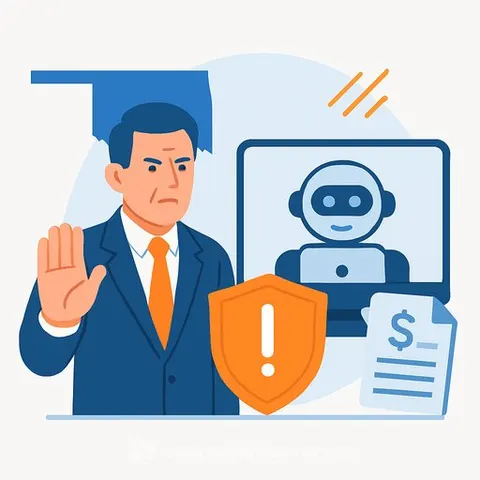
Oklahoma Insurance Commissioner Glen Mulready warned residents about the rapid surge in AI-powered insurance fraud, where fraudsters use smartphones to fabricate realistic evidence in seconds. The shift has direct financial consequences for the industry, as fraudulent claims inflate premiums for all policyholders.
Data from the AI Insurance Fraud Statistics 2026 report by WasItAIGenerated reveals the most common types of AI-generated fraud: AI-generated fake receipts now account for 34% of AI-related fraud cases, synthetic medical documents for 28%, AI-generated damage photos for 19%, and deepfake video evidence for 12%.
AI-generated fraud documents evade traditional detection
Traditional fraud detection systems rely on pattern recognition and human review, but AI-generated documents often pass visual inspection. The report found that these documents mimic formatting so accurately that they slip past standard checks. This forces insurers to overhaul their detection tools.
Consumer impact and insurer investments
According to Verisk's 2026 State of Insurance Fraud Study, 69% of consumers believe insurance fraud increases premiums for everyone. Among insurers, 98% are now investing in advanced detection technologies, including document authenticity scoring, image forensics, and deepfake detection. As insurers ramp up these tools, professionals can deepen their knowledge through AI for Insurance Training.
Regulatory cooperation and prevention tips
Mulready said regulators are sharing fraud intelligence across states. "For example, the Oklahoma Insurance Department (OID) shares fraud and scam information with other states and vice versa to help spot these issues early and prosecute criminals," he said. Consumers can protect themselves by verifying unexpected insurer communications through official channels, questioning documents that look odd, never altering claim photos, and keeping original records. He added, "the most important tool Oklahomans have is awareness."
For help from OID, contact 800-522-0071 or visit www.oid.ok.gov.
Why this matters for insurance professionals
AI-generated fraud is no longer a niche threat - it is a growing percentage of claims fraud. Insurance professionals who handle claims, underwriting, and investigations must be able to recognize the signs of fabricated documents and understand the detection tools their organizations are deploying. The shift toward AI-powered fraud means that traditional manual review skills are no longer sufficient, and ongoing training in AI detection methods is essential to protect both insurers and policyholders from mounting costs.